Words by Alice Blackwood
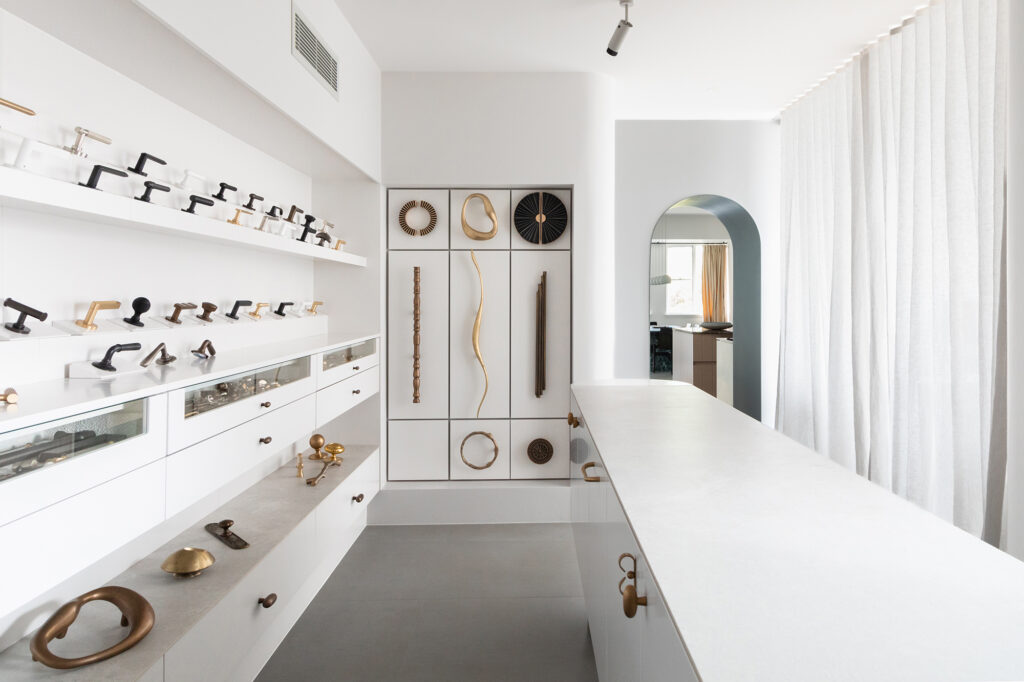
Spiggy, a purveyor of designer hardware, seeks to enrich our environments with artisan-fabricated door furniture, handles, lighting and power. Each piece carries an origin story, shaped by imagination and skilled craftsmanship.
Across the collection, there is a consistent attention to detail: an understanding that even the smallest architectural elements balance engineering with ornamentation, and function with expression. Crafting a custom door handle is, in many ways, a meditative process – connecting ideation with purpose. It is within this ethos that the work of UK-based designer Philip Watts finds its place. His Amoeba door handle has emerged as a crowd favourite, embodying expressive functionality, architectural adornment and precious materiality.
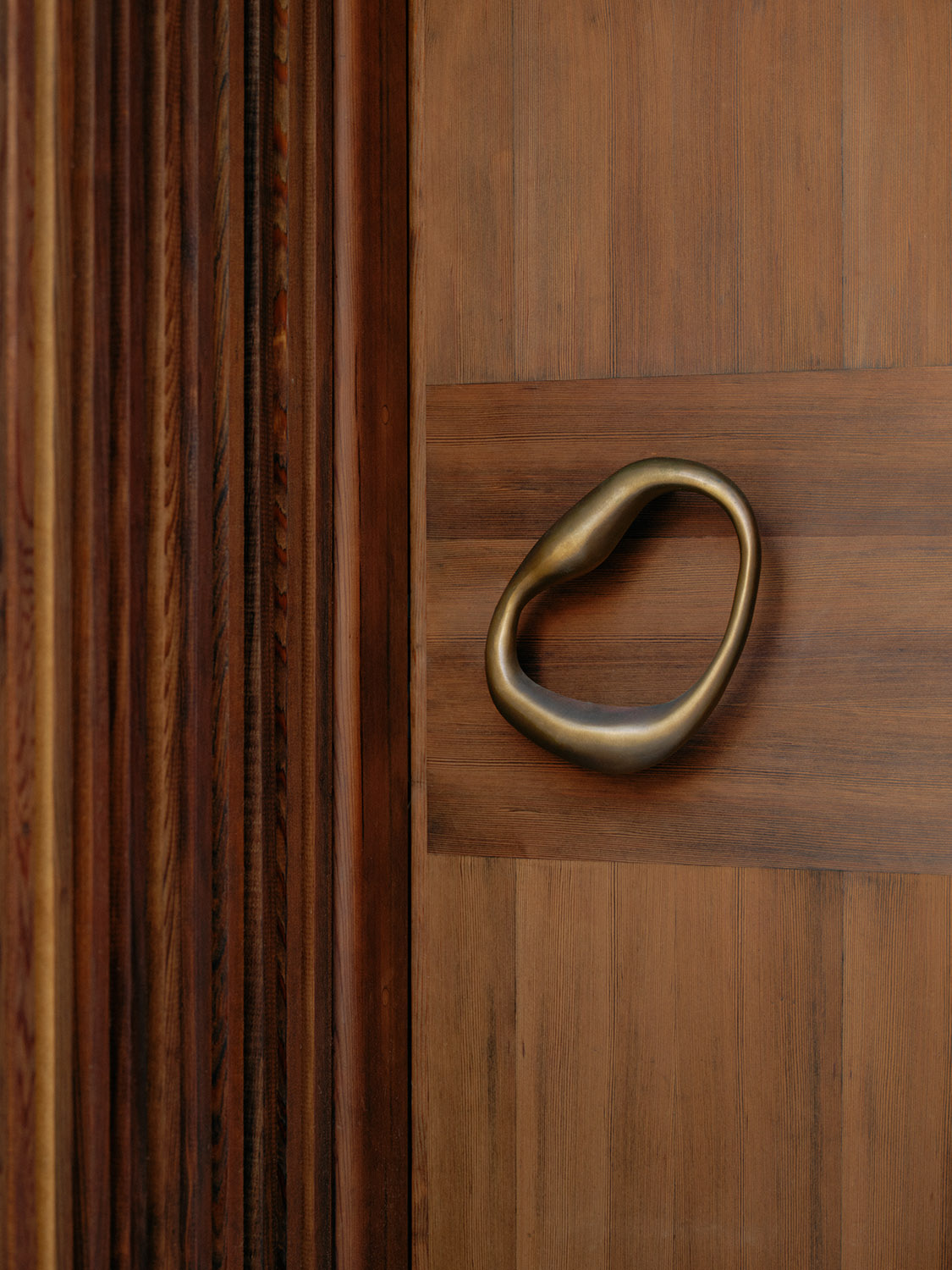
For Philip, these finely detailed architectural elements carry special significance. “Humans like to explore, people love to touch,” he says. “There is such a fabulous opportunity with a handle to give a touch moment every time someone engages with a building: its first literal contact. It’s our job as designers to celebrate that and have fun with it.”
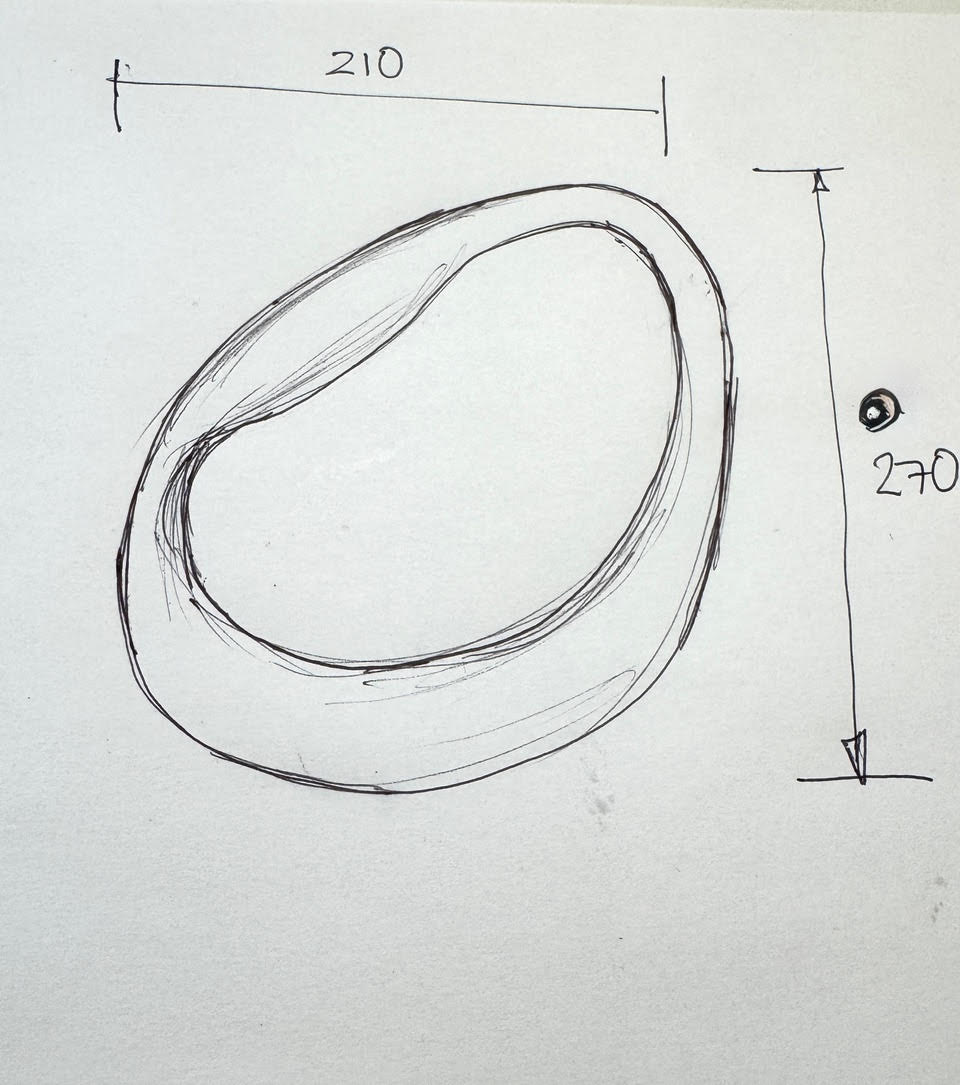
The Amoeba typifies the sculptural style for which Philip’s practice is known. Everything starts with a sketch, before Philip enters his workshop to carve the original prototype from timber. “After the sketch, the sculpting is a relatively unplanned event,” he says. “As you hand carve, one curve leads to another, plans can change, you can surprise yourself. It’s all shaped by hands, for hands.”
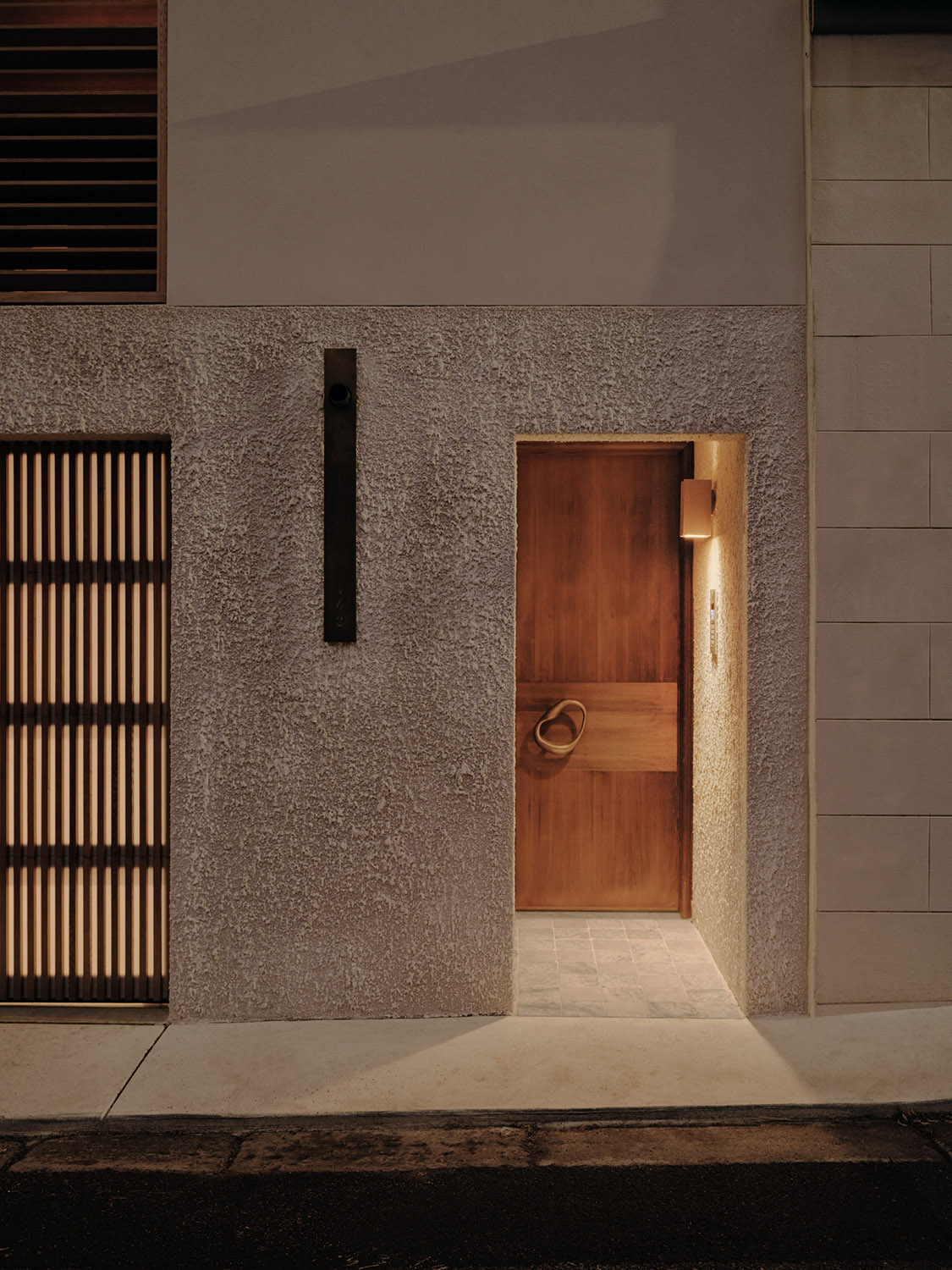
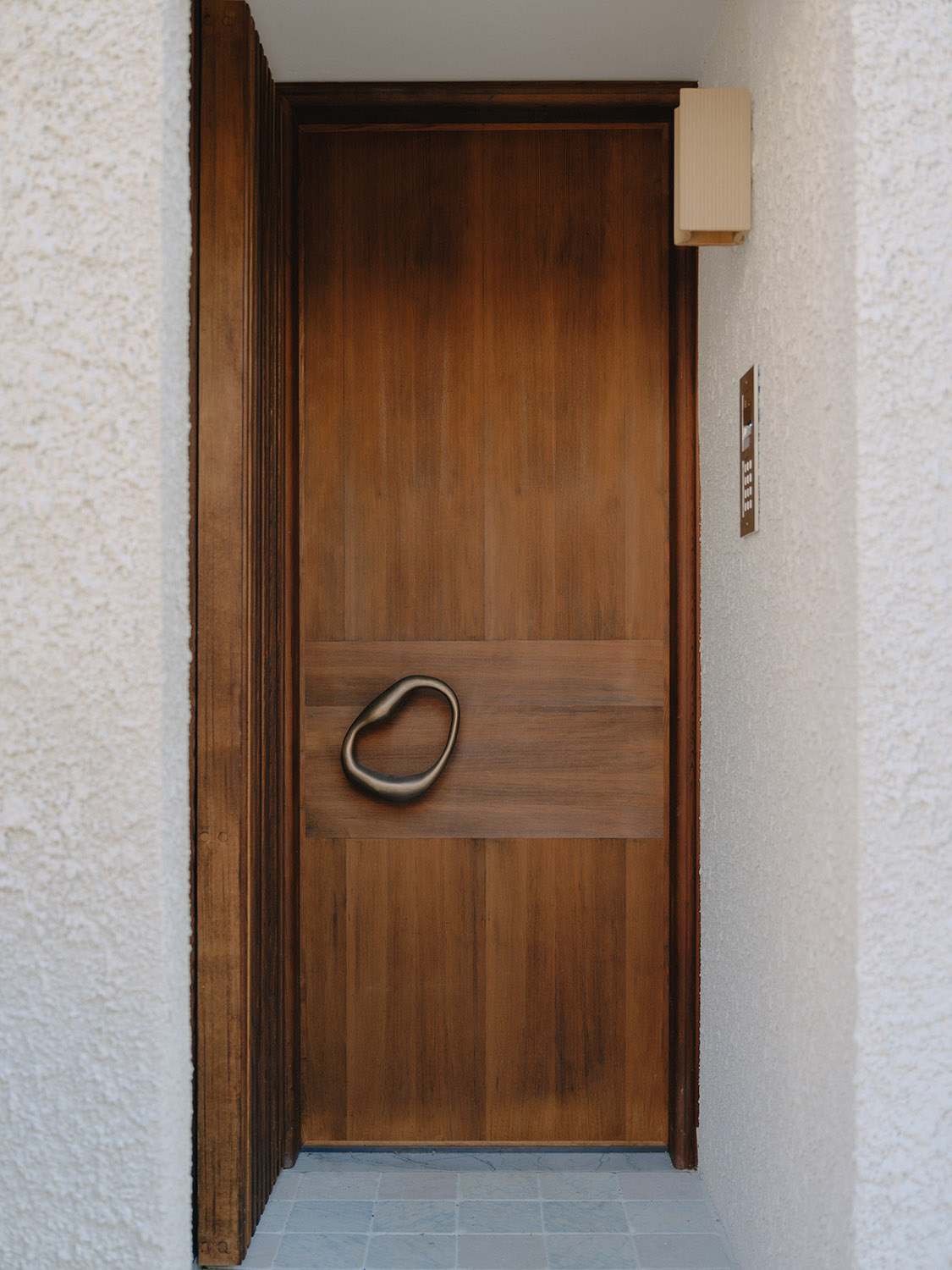
Cast in solid metal, the Amoeba is strengthened by the provenance of its materiality. Therein dwells an honesty and integrity that makes it feel collectible yet never too precious to be used. “I love the truth of the material and how it will last and age over time,” reflects Philip. “I love the idea that our handles will be polished and re-polished either intentionally or with use…”
A piece like the Amoeba is nothing without its frame of reference, that is, the door. Without this literal and aesthetic connection, the door handle remains lifeless. Philip speaks to the profound adaptation of expression and function that happens when a handle undergoes its final moment of engineering, connecting to a door and coming to life.
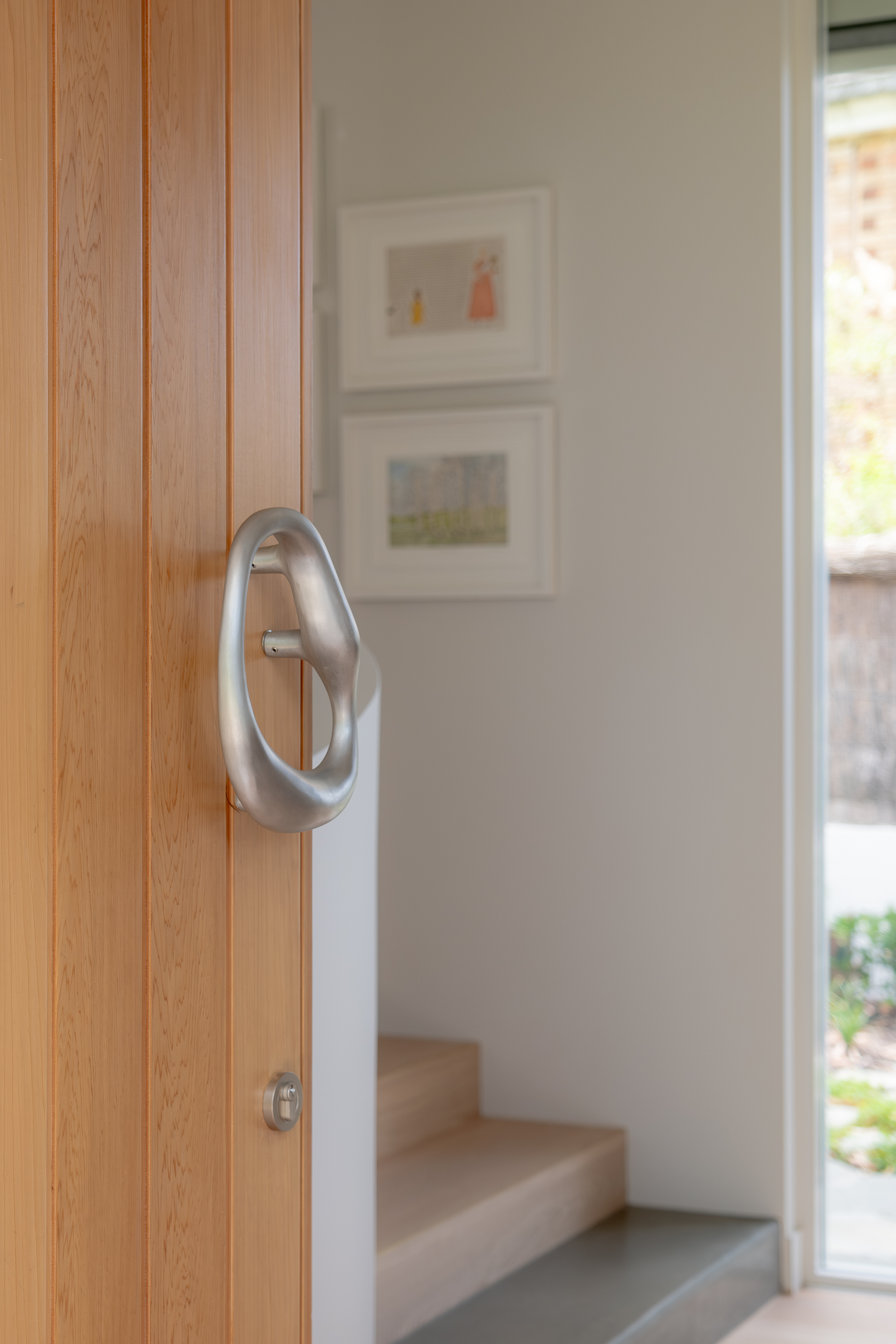
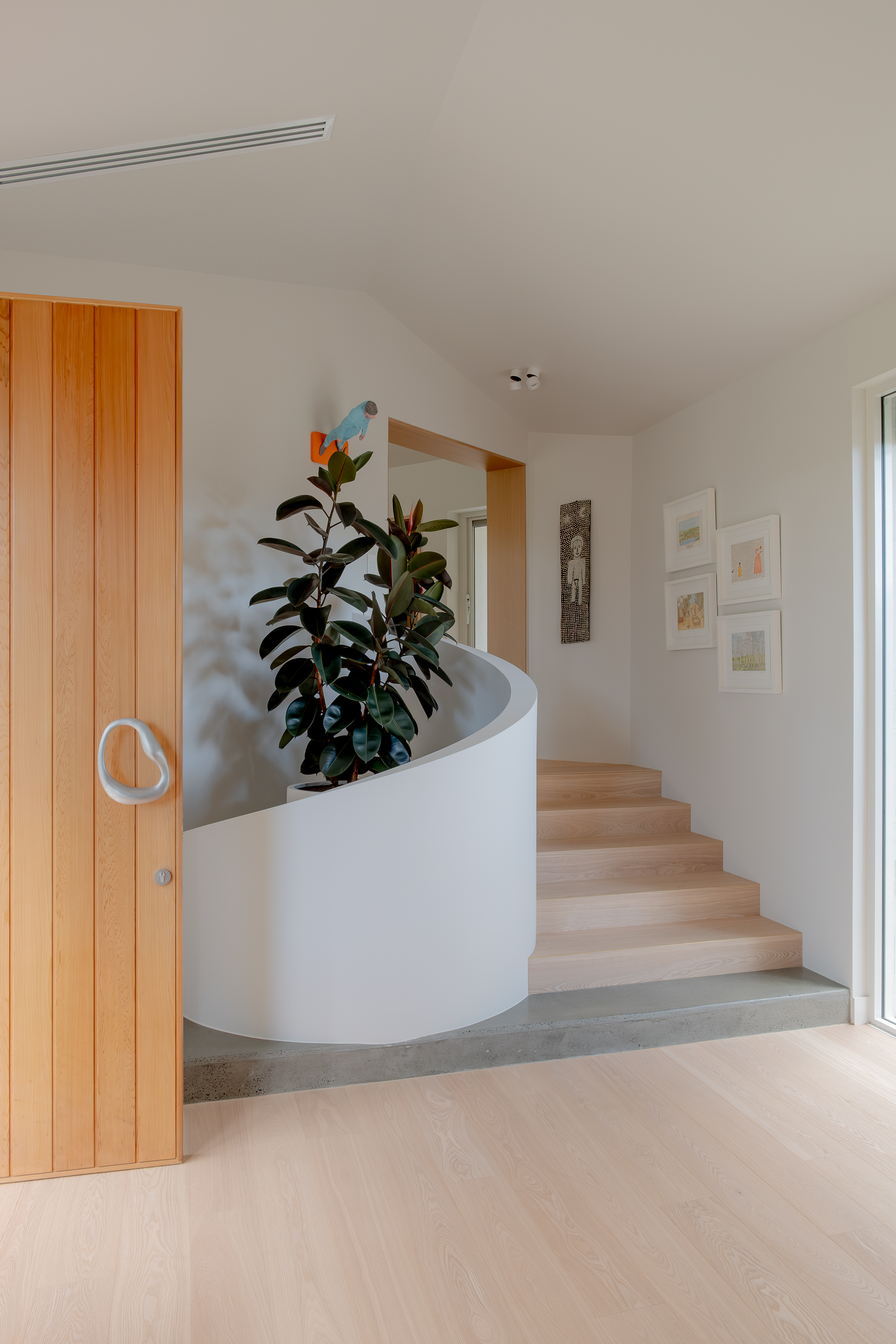
Of course, the second fundamental part of that coming to life is placement. “This is more like graphic design – how and where the handle is placed is the last crucial act. Some of our handles have a deliberate ambiguity about their intended placement. This is because we want architects and designers to enjoy the process too, to be creative with them, to play with that balance of function and adornment.”
For those of us who take pleasure in defining the finer details of a space, it’s an invitation that is almost too good to resist.