Words by Alice Blackwood
Photography by Joanne Ly, Demosthenes Kouros, and courtesy of Mutina
Mutina is both an enabler and facilitator of ideas, maintaining a progressive dialogue around ceramics that sees it reach beyond design and into the world of art, too, as it continues to explore new frontiers in surface expression.
“Mutina always looks to find a way to push ceramic material beyond its conventional functions, in terms of expression, suggesting new meanings for the surface and the covering,” says Matilde Gandolfi, brand development manager at Mutina. Equally the brand looks to work with people it likes, and from there a spontaneous and free exchange of ideas and propositions ensues.
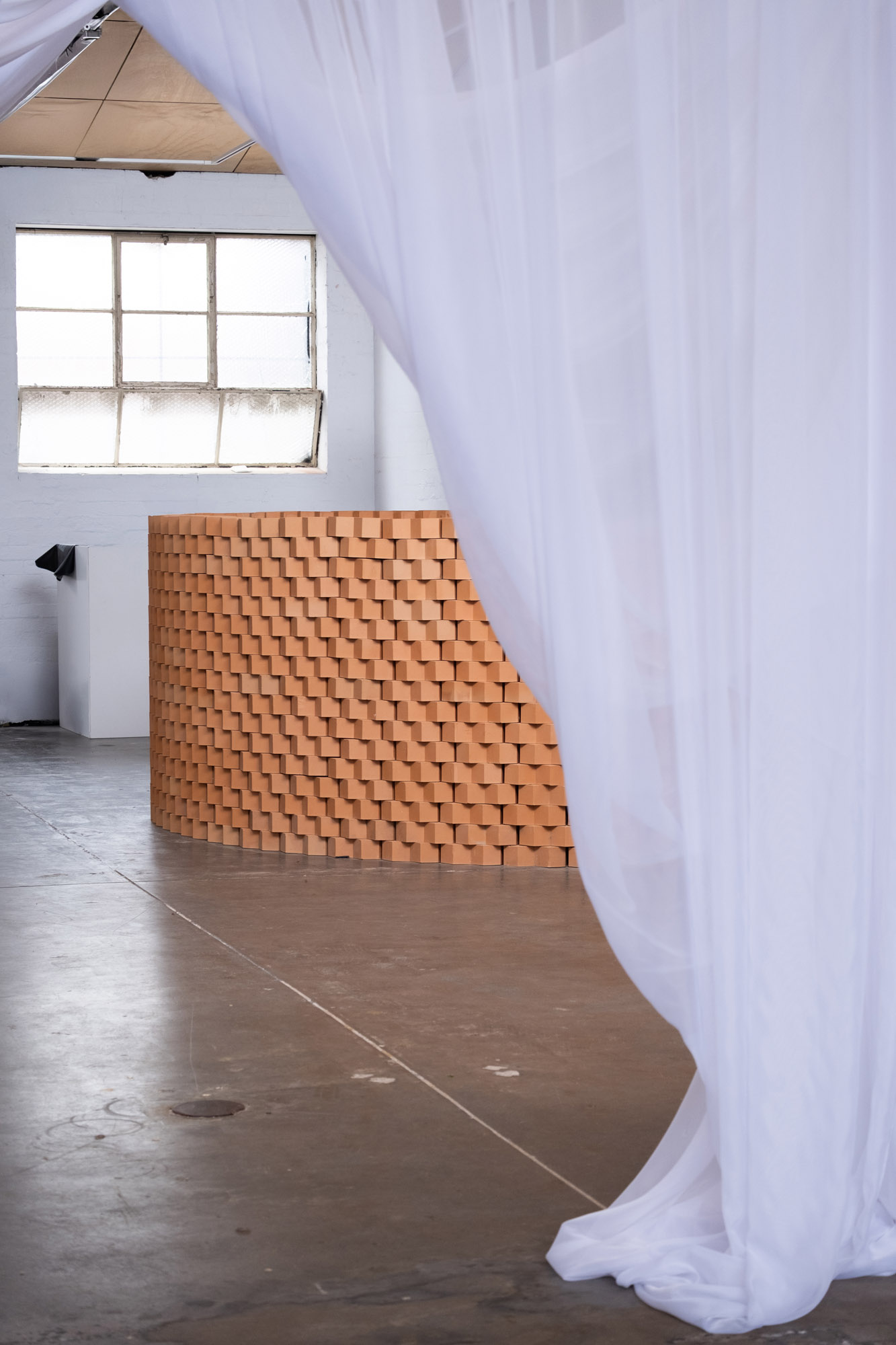
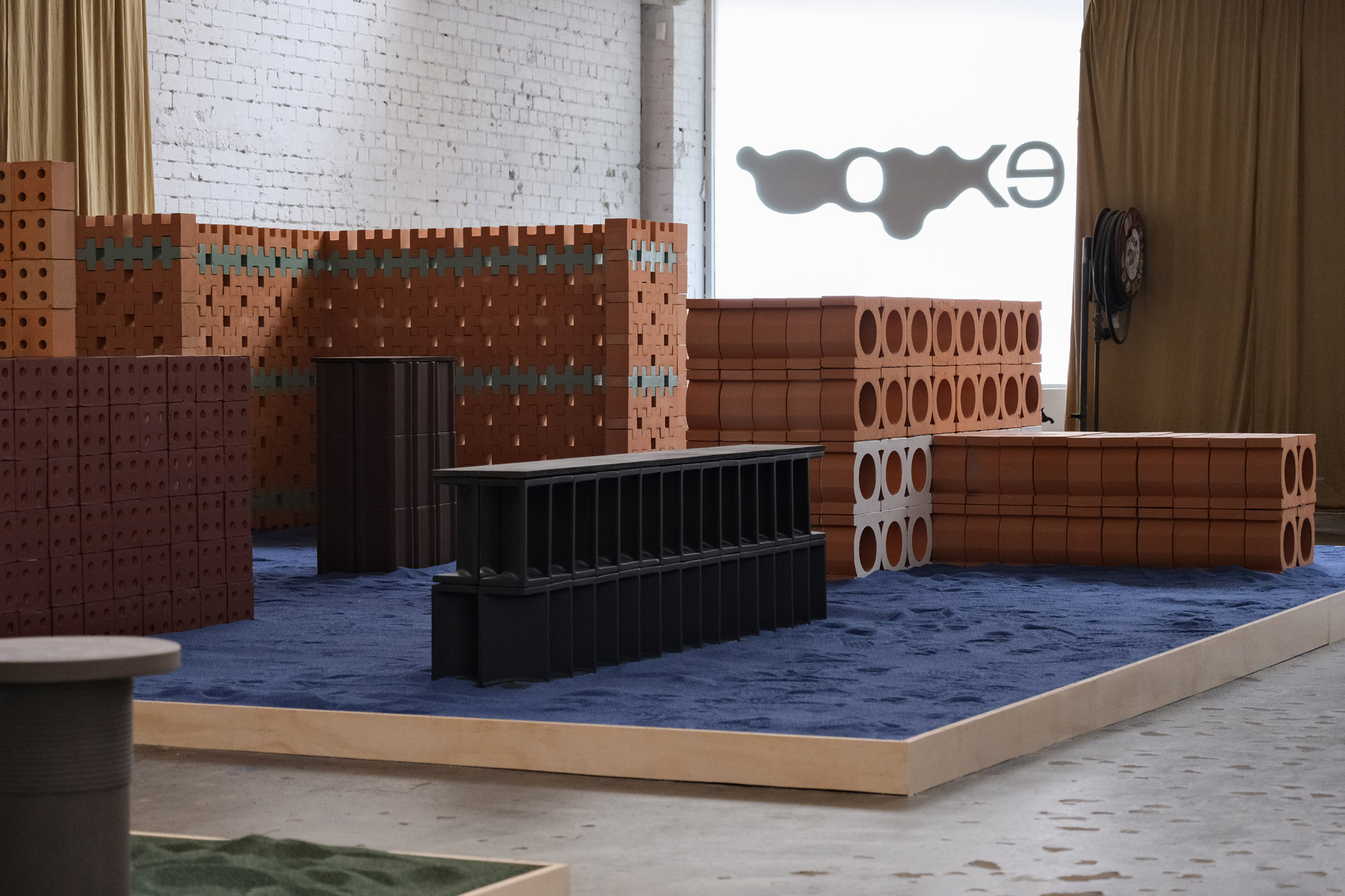
Among Mutina’s long list of esteemed collaborators is Patricia Urquiola, Ronan and Erwan Bouroullec, Konstantin Grcic and more. It was in fact Patricia who proposed to Mutina its first brick product, pushing the brand into a new zone of three dimensional surface expression.
“Bricks, for us, have a deep-rooted history in architecture, especially in the Mediterranean context,” says Matilde. They are the cornerstones of shelter and comfort, often facilitating air circulation and flow, as well as shading. So, when it came to reinterpreting this most archetypal of architectural elements, Patricia “opened Mutina up to new spatial possibilities” and an ever-broadening dialogue around ceramics and architectural space.
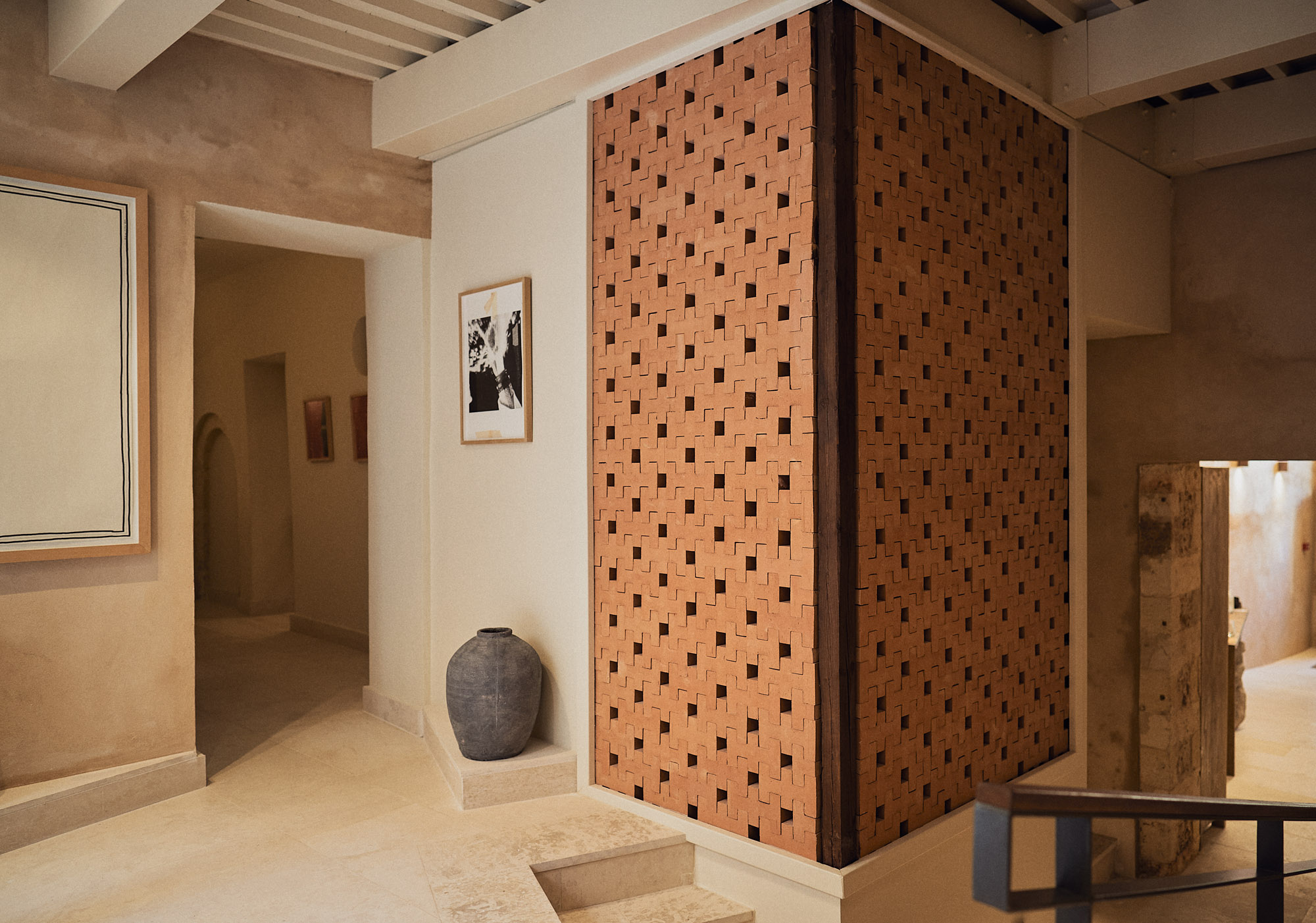
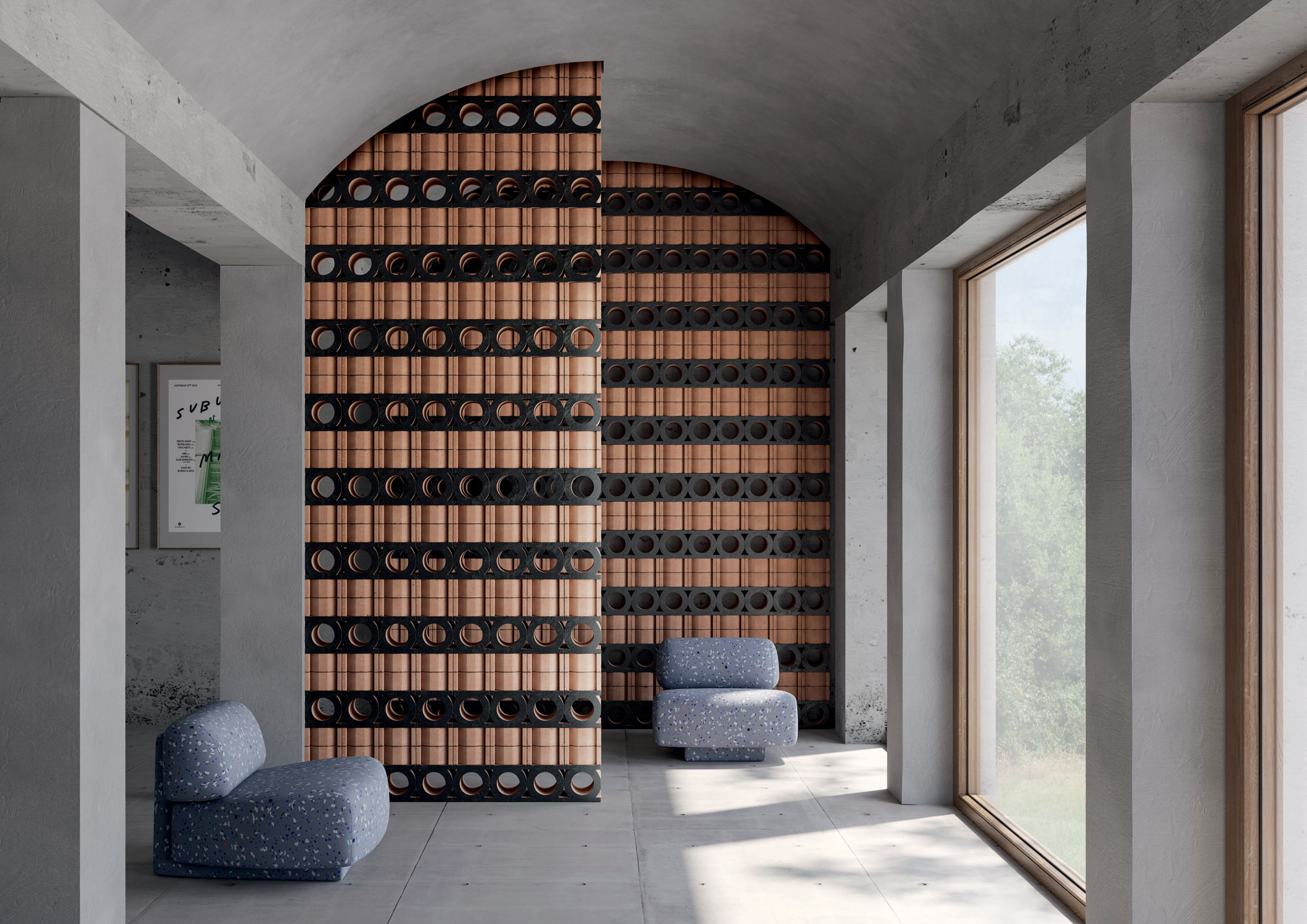
Mutina is fluent in the material language of clay and much of its brick products are produced using locally sourced clay from the Modena region of Italy. For Mutina Bricks, extruded terracotta is preferred for its stability prior to firing, which allows Mutina to achieve quite challenging geometries and new shapes. The bricks can also be produced using a composite of recycled clay content, contributing a degree of circularity to the process.
As Matilde points out, too, all of the designers and artists with whom Mutina works are making their first forays into ceramics with Mutina, ensuring they bring an unrestrained and entirely refreshing perspective to the design process. It’s a hidden strength which leads to imaginative and exciting outcomes.
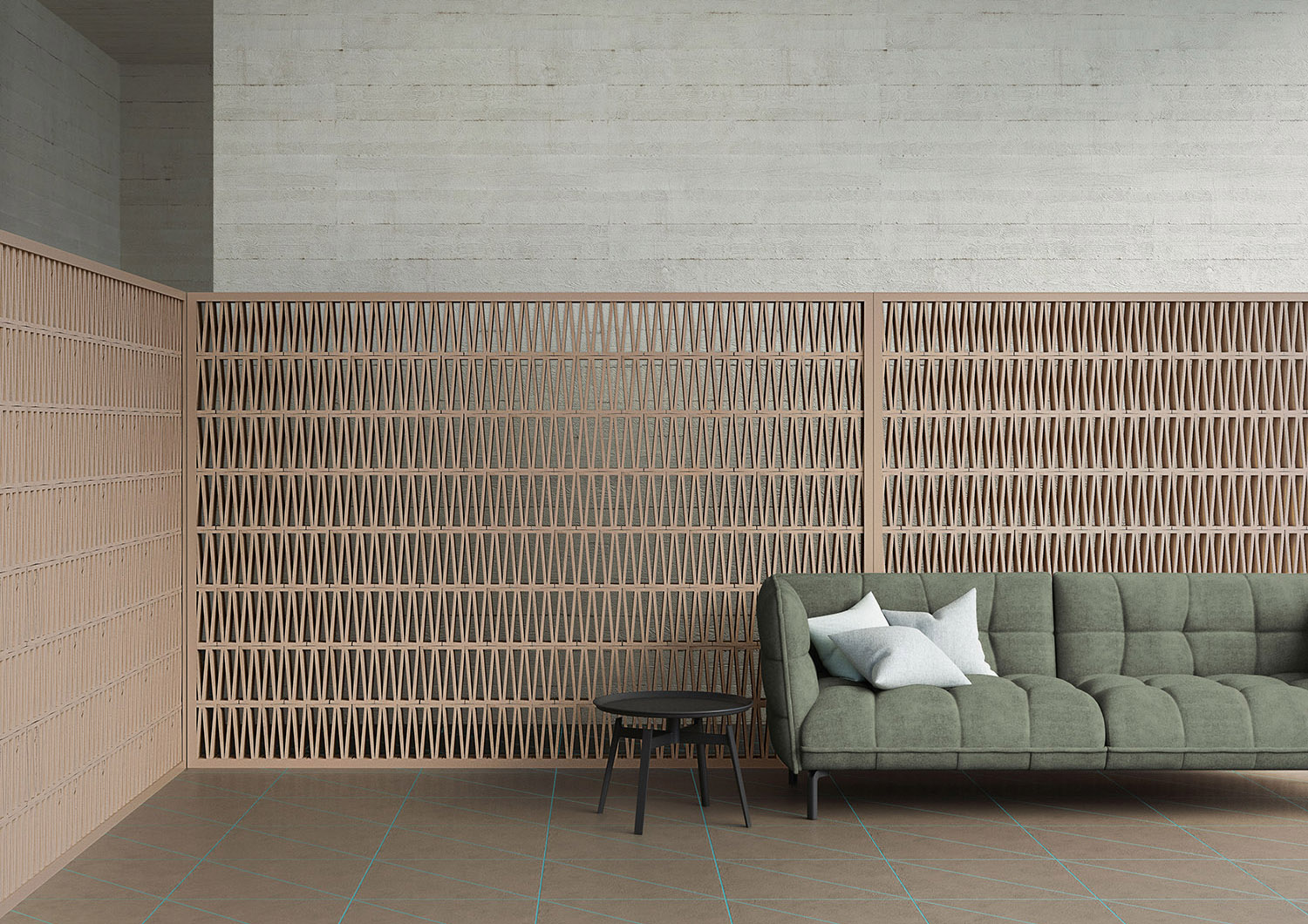
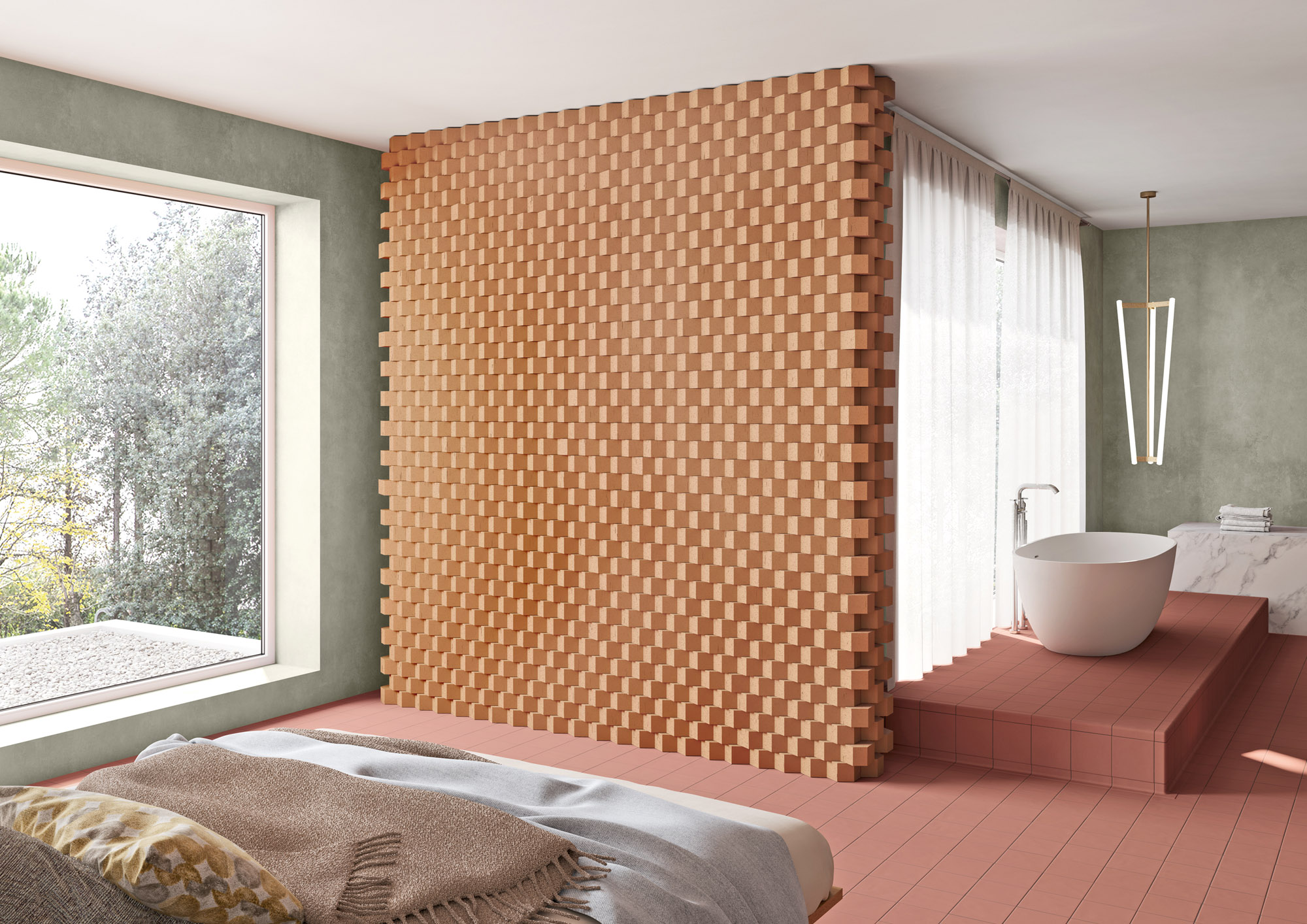
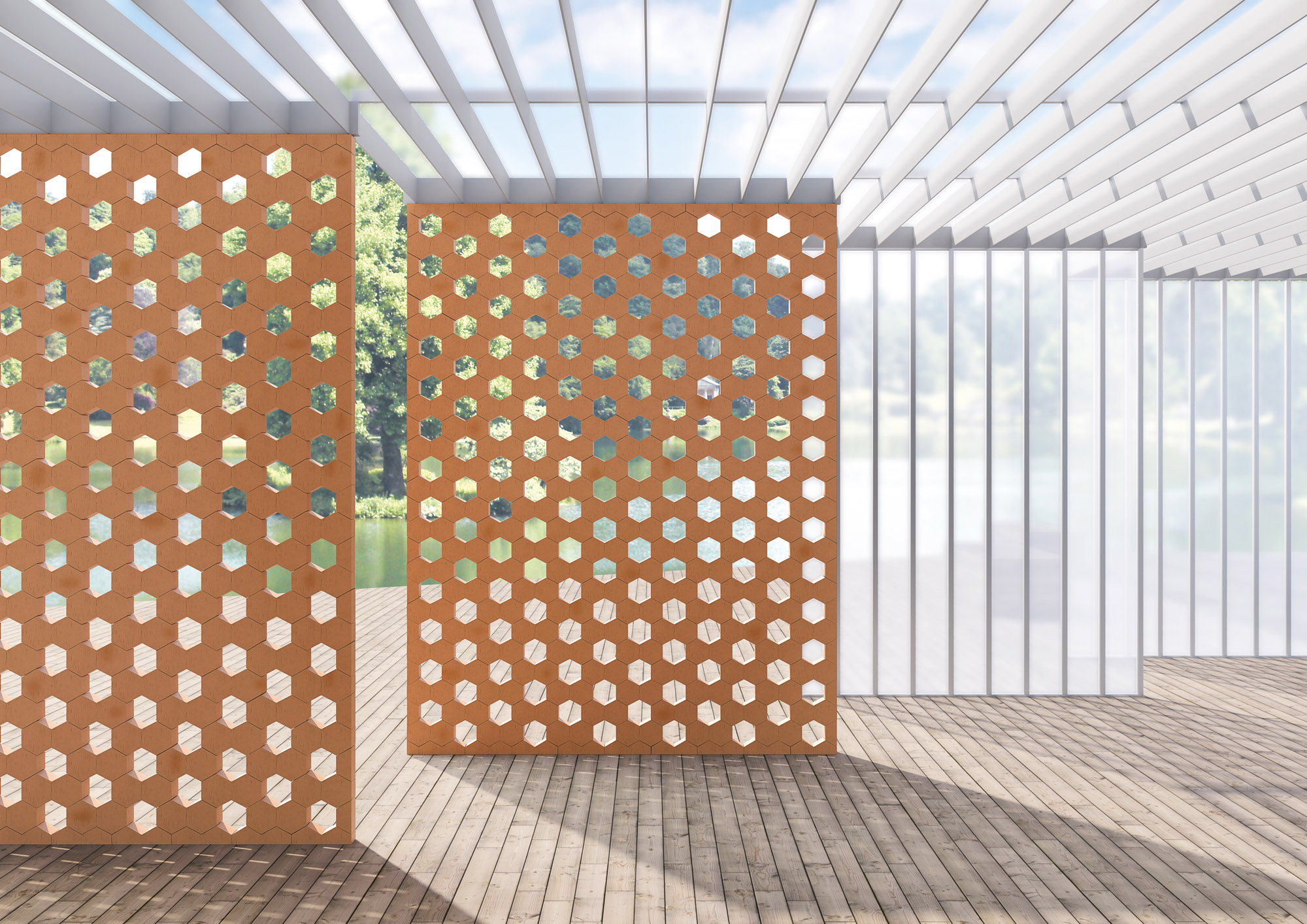
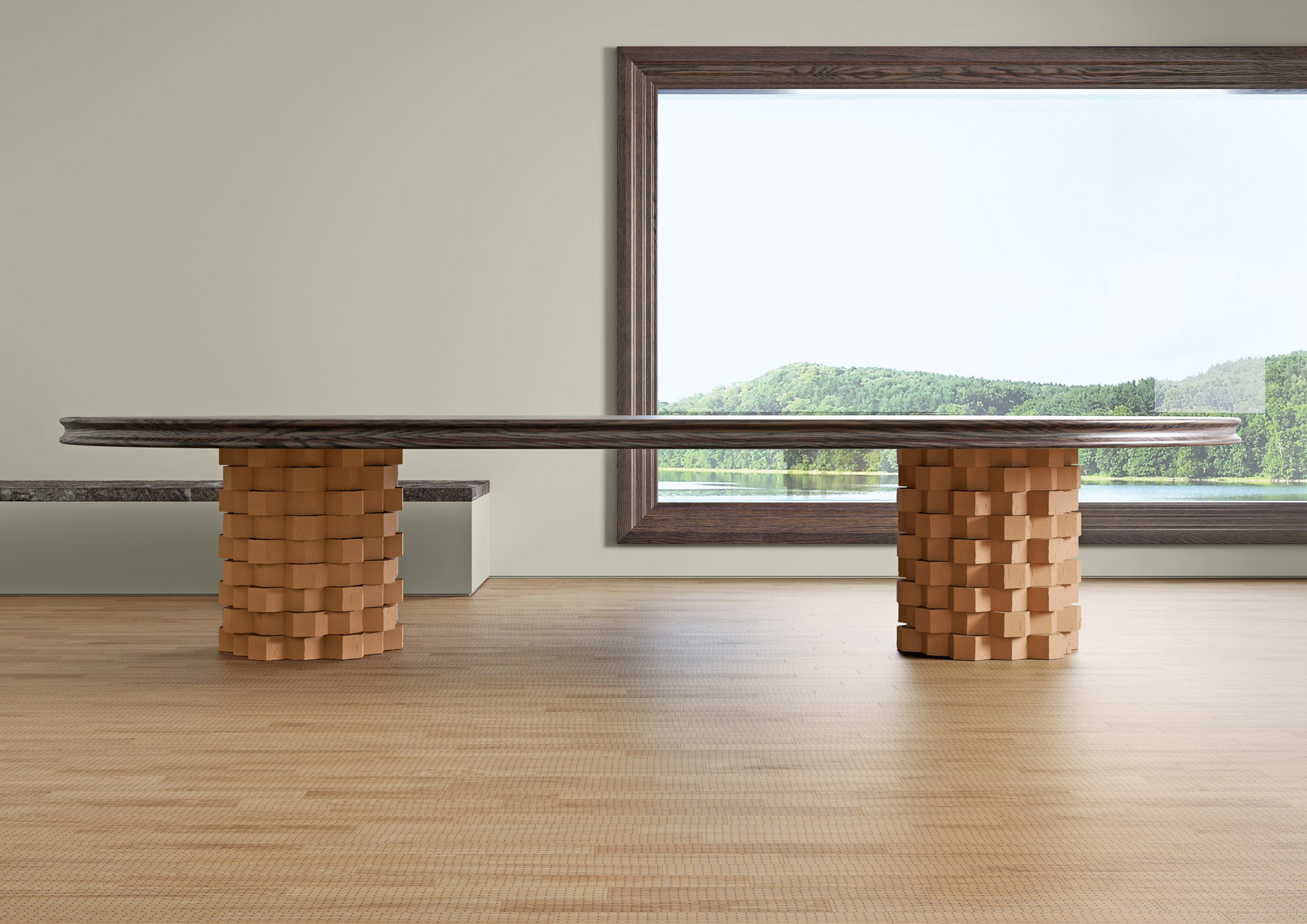
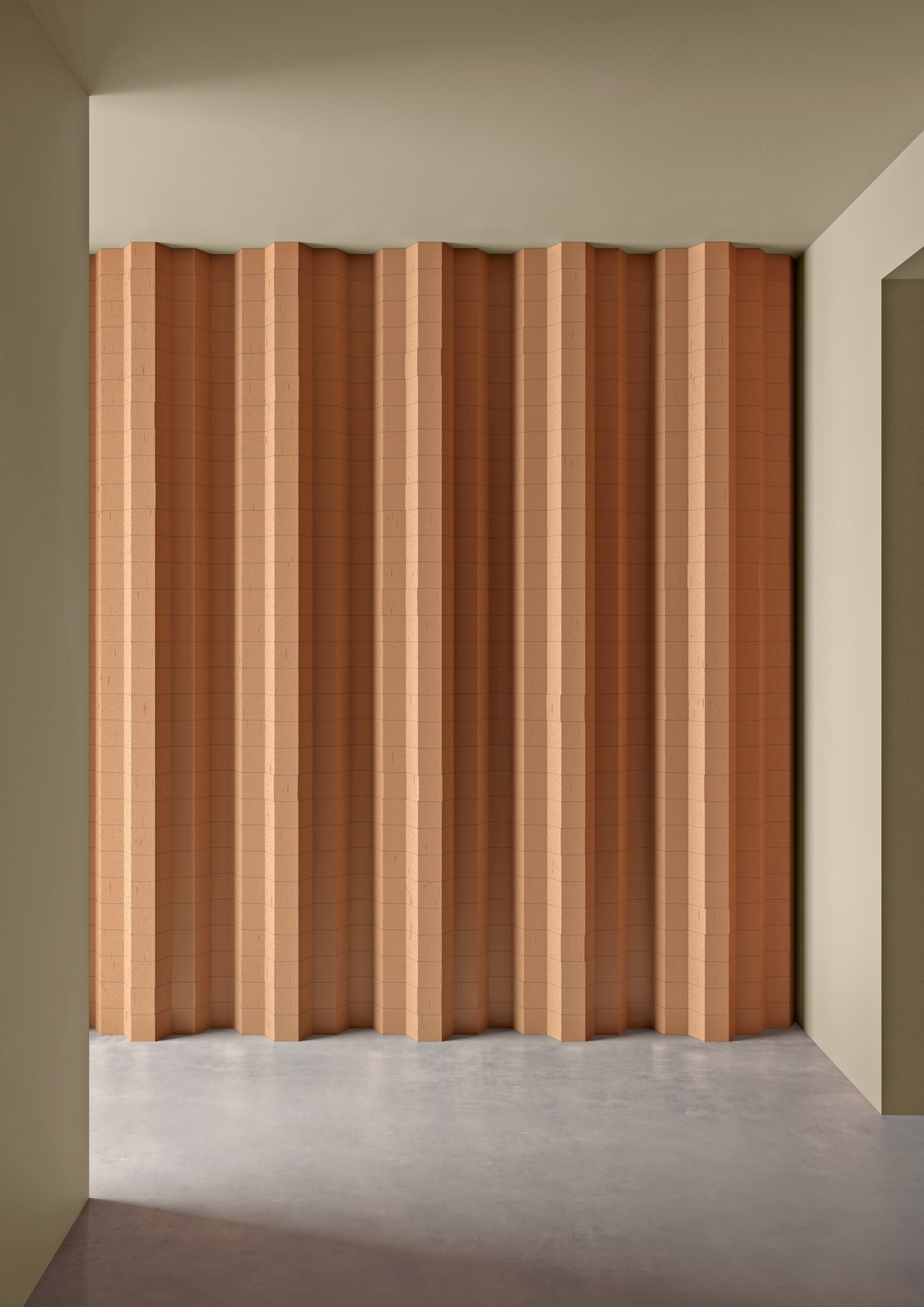
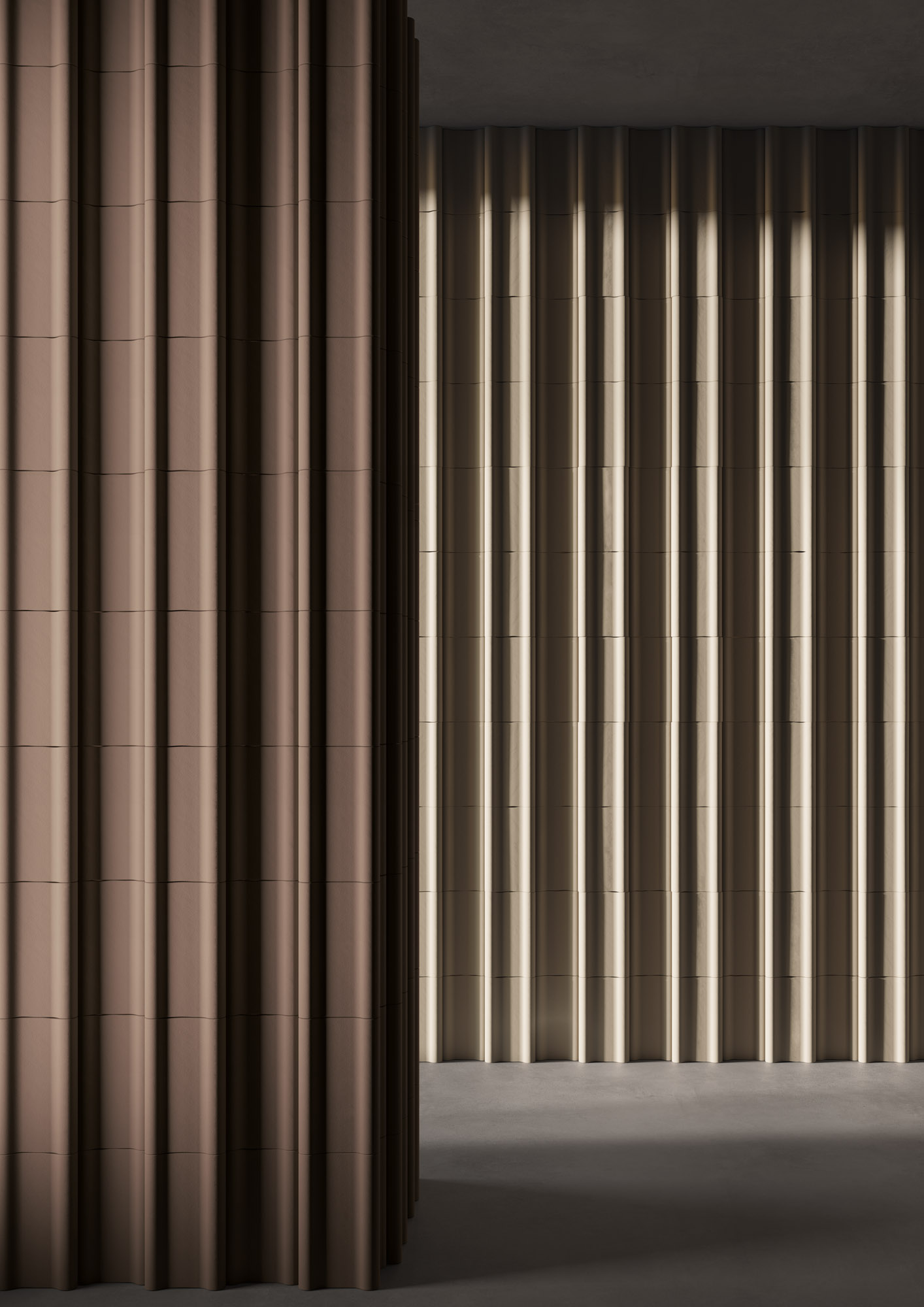
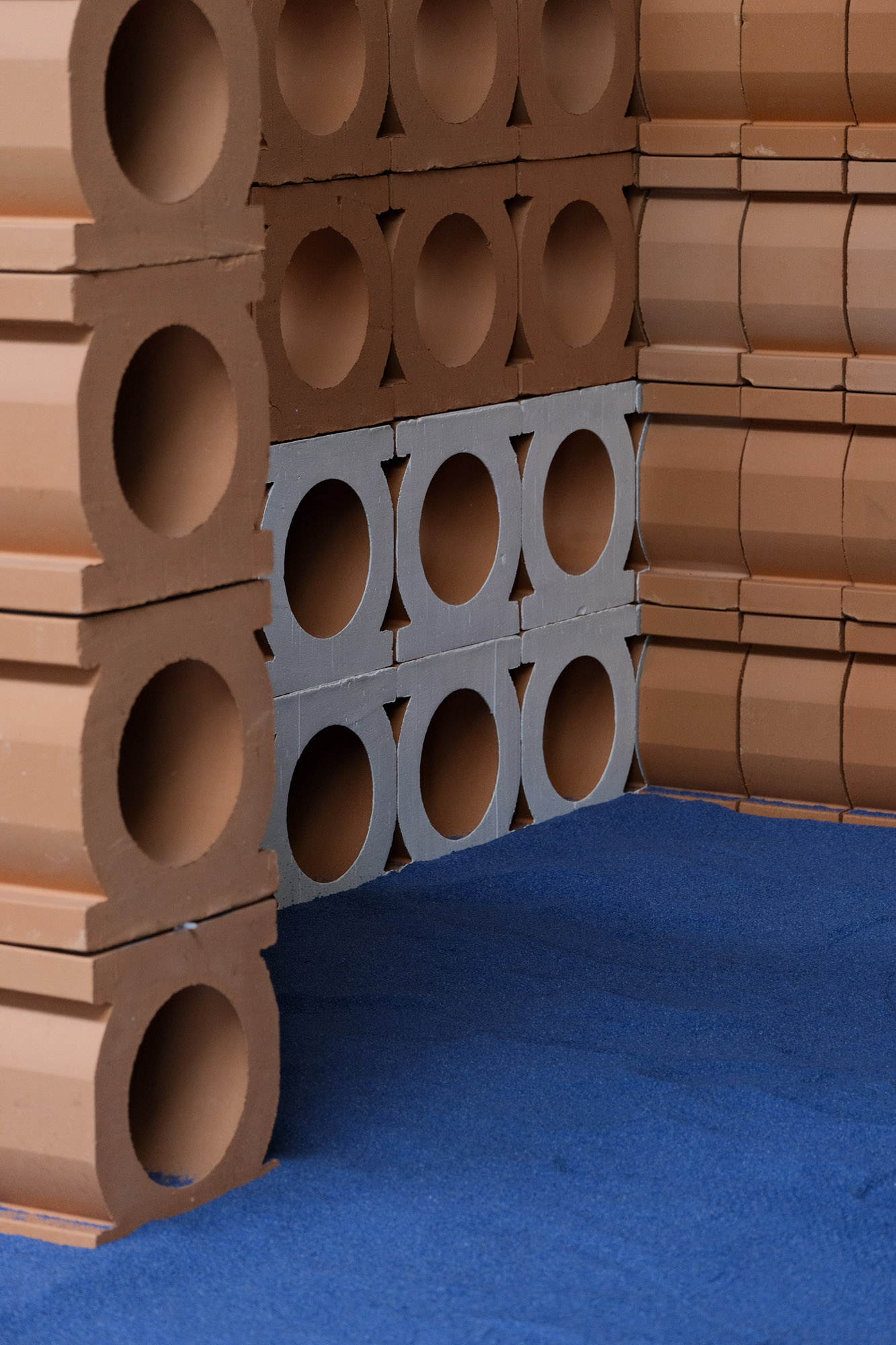
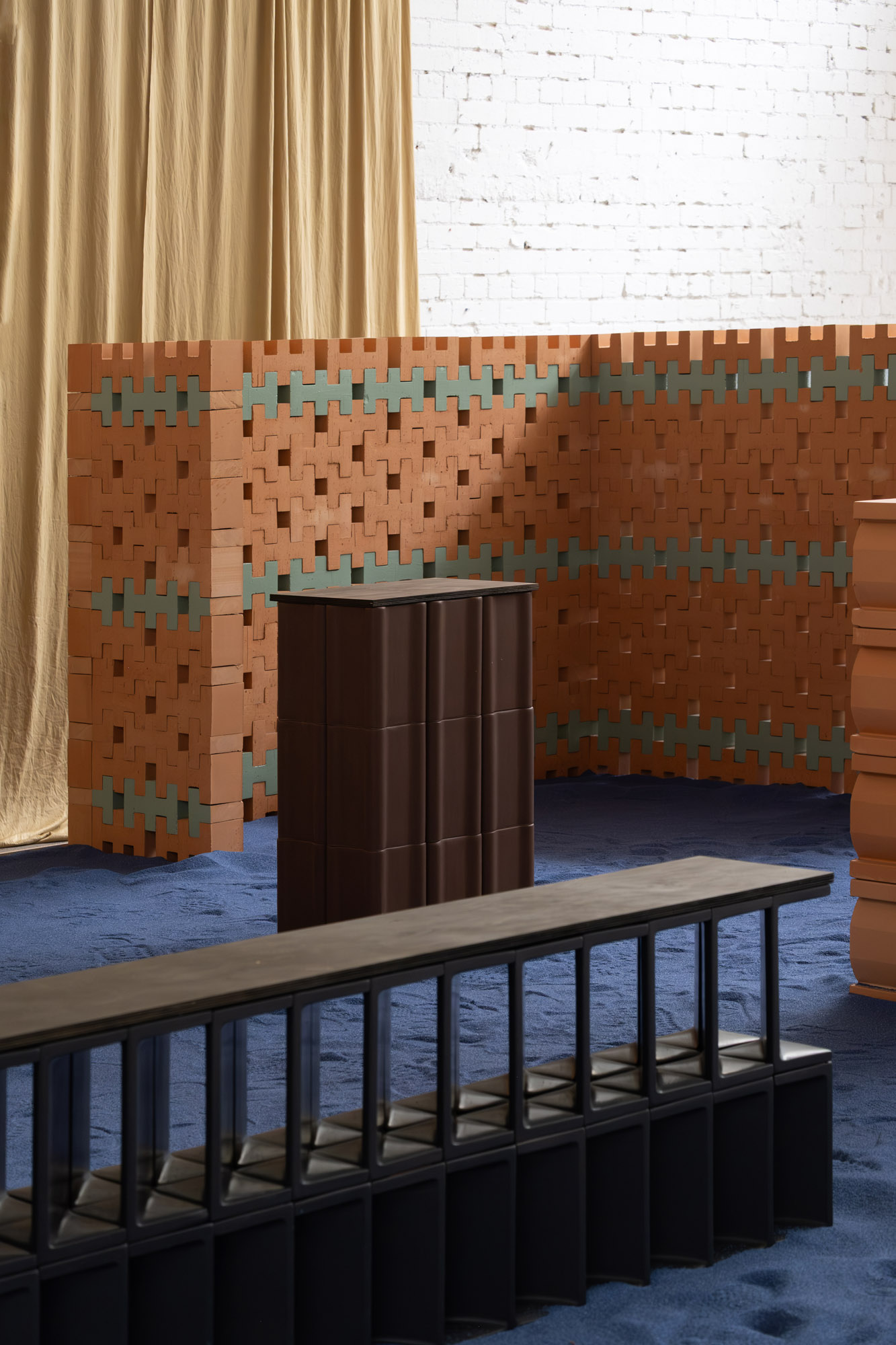
Each Mutina Brick range delivers different visual, structural and functional benefits. Patricia Urquiola’s Jali brick, launched in 2023 and inspired by traditional Indian latticework, is defined by its large central holes. “It’s a brick that really interacts with light and perforation, so it functions more as a filter, rather than a barrier,” says Matilde. Ronan Bouroullec’s Bloc, by contrast, is more barrier-like – perfect as a partition or separator.
Common to each range is its versatility, borne from the simplicity of the shapes and their clever geometries which can be tessellated and manipulated to work at various angles and in numerous compositions. As Matilde has observed, when you have such creative tools to work with, your conceptual understanding of space and functional furnishings instantly expands. From curving walls and partitions that eschew the more traditional right-angled approach, to benches, tables, seats and alcoves – everything becomes possible.
Aided, of course, by finish – matte, gloss, colour. This heightened combination of coloured and textural geometries has catapulted Mutina Bricks out of residential applications and into the diverse field of commercial projects – especially in hospitality spaces where spatial design is fundamental to a patron’s experience of a venue.
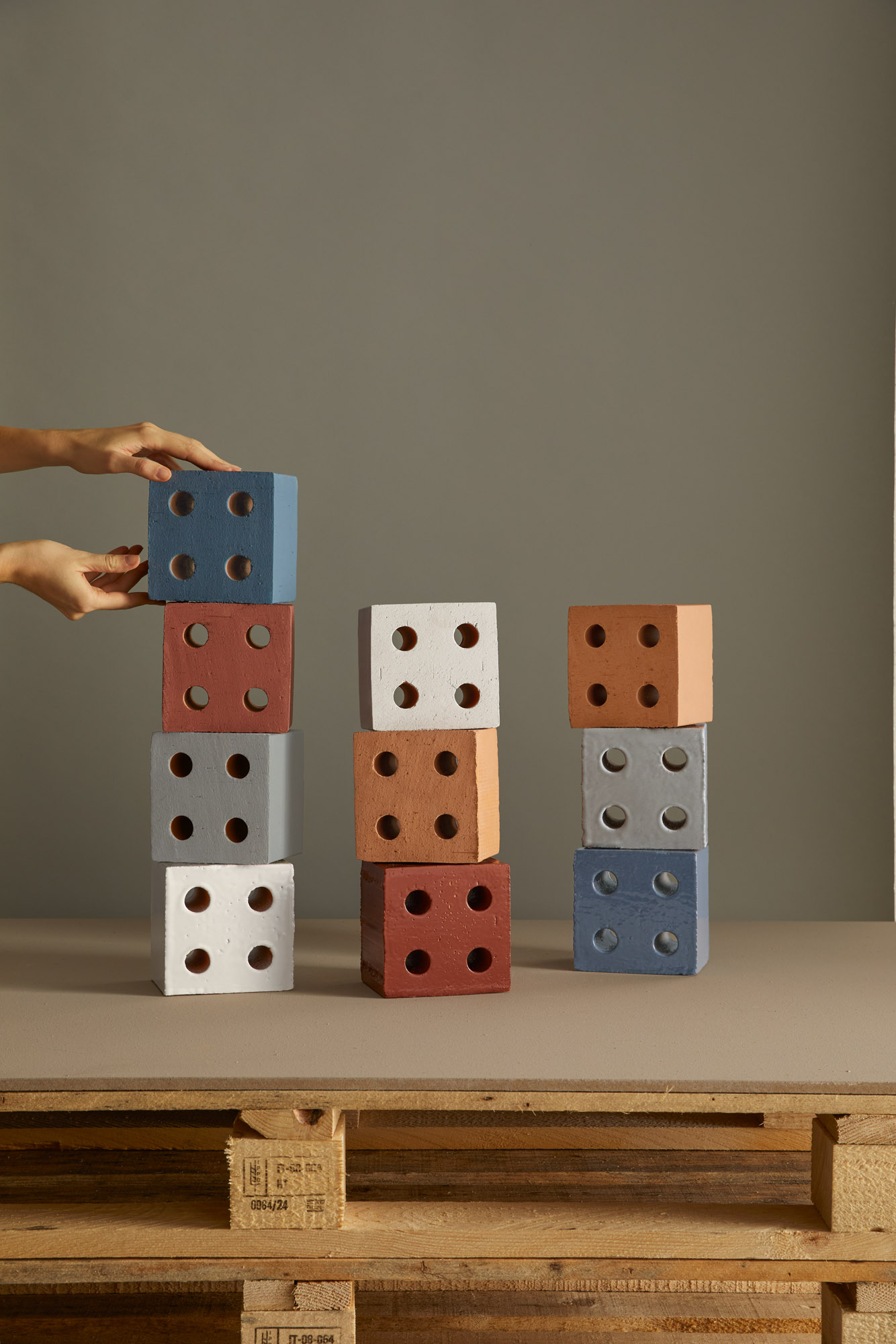
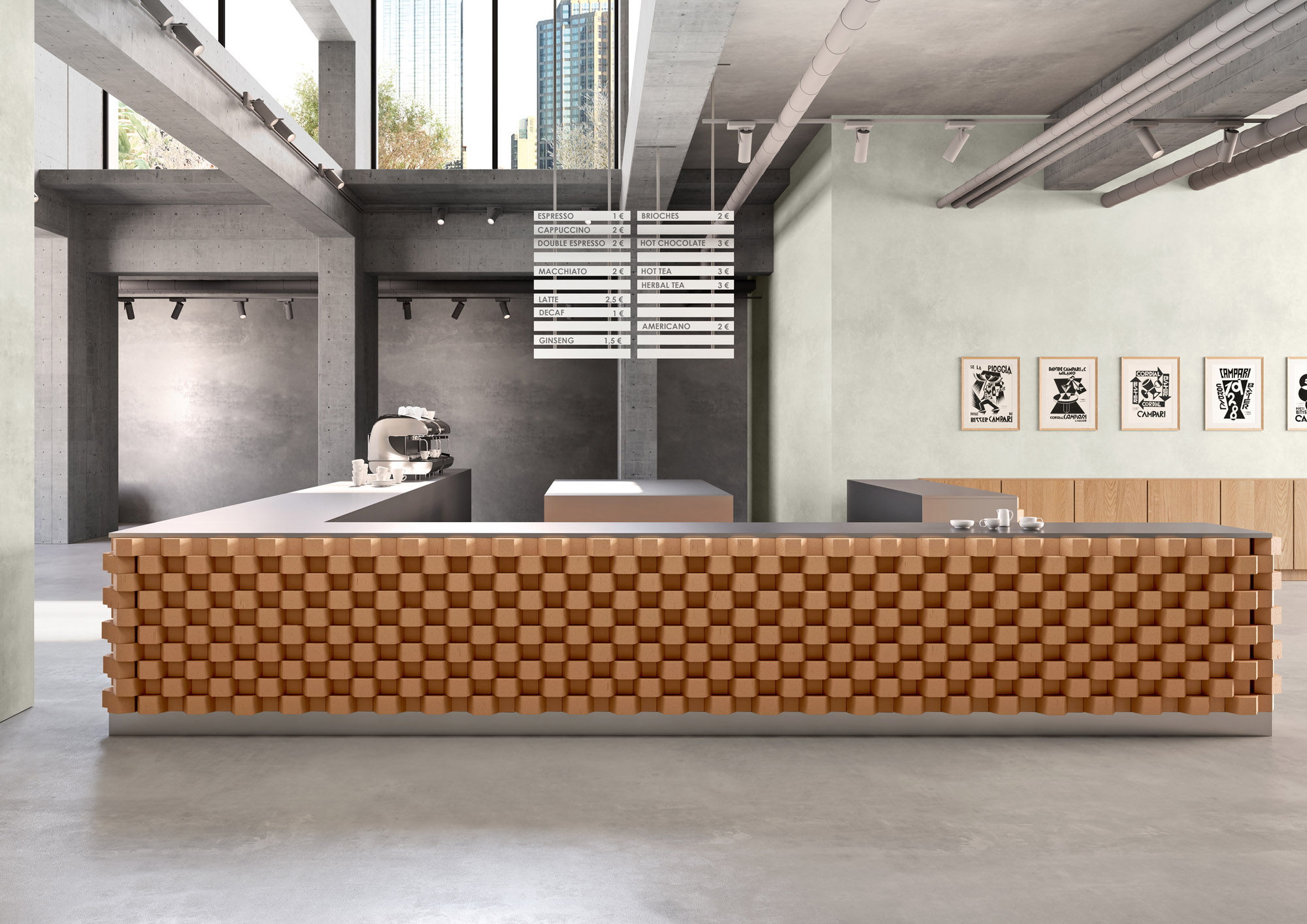
When Mutina introduced its very first brick design into the market in 2014, there were few competing in this space. And terracotta, as surprising as it might sound, was not at the height of its popularity. Fast forward to today: terracotta is the ‘du jour’ material.
The sheer beauty of Mutina Bricks’ structural yet ornamental ranges have found foothold in design centres around the world – and yes,now Australia. For Mutina, which rarely rests in complacency, there are new frontiers in scale and geometry to explore, and growing demand among its esteemed collaborators to try their hand at a brick design, too. It’s refreshing to find such malleability and sculptural possibility within a product that has traditionally been a building block of architecture and engineering.
May the creative dialogue continue.