Words by Thomas Coward
In 1964 Marshall McLuhan introduced the concept of ‘The Medium is the Message‘ – the idea that the way we receive information matters more than the information itself. Digital media has made this point impossible to ignore. It has reshaped how we experience work of every kind, largely through a screen. A building or a chair will be seen digitally by more people than will ever physically encounter it. The implications for how we make, communicate and perceive design are profound.
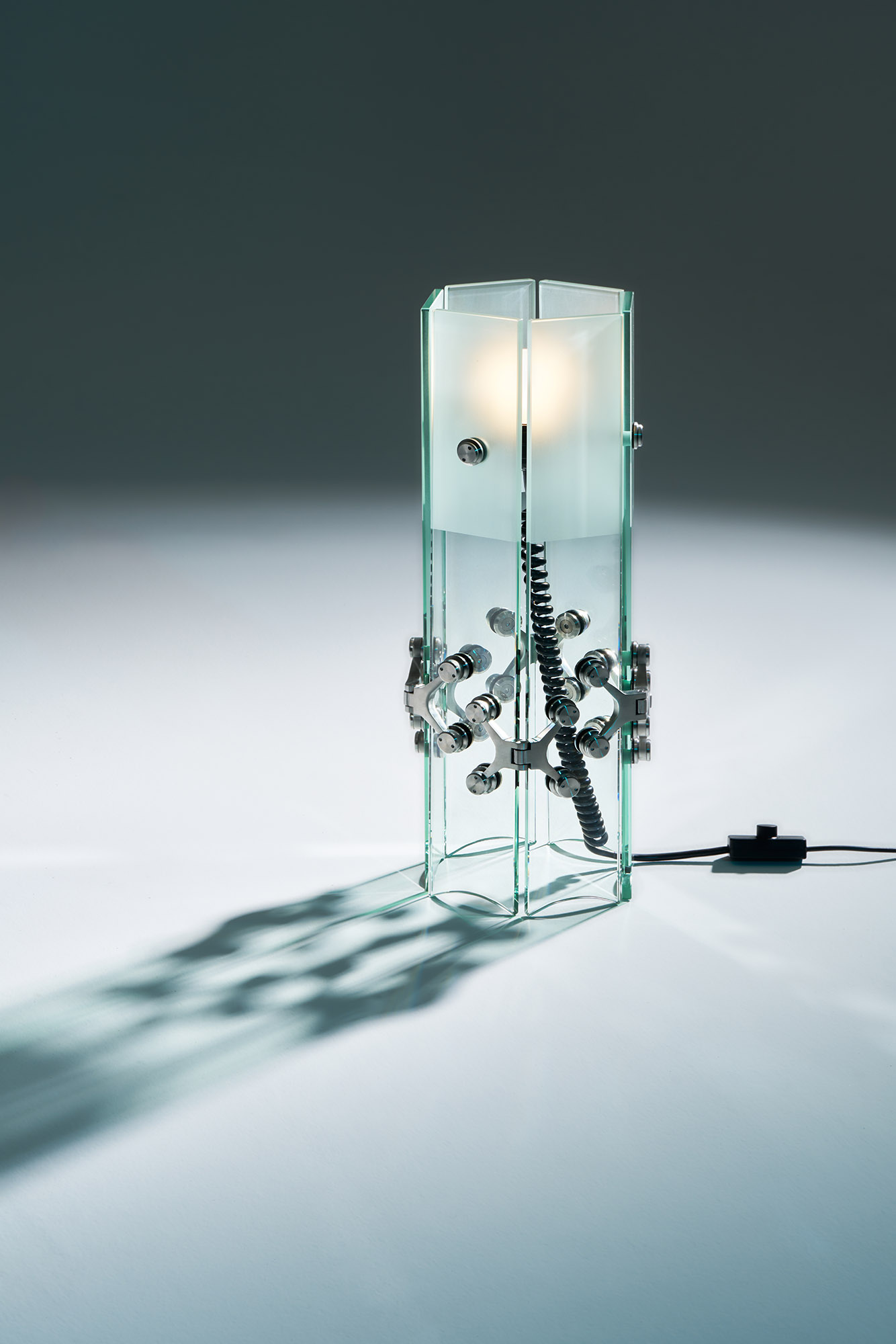
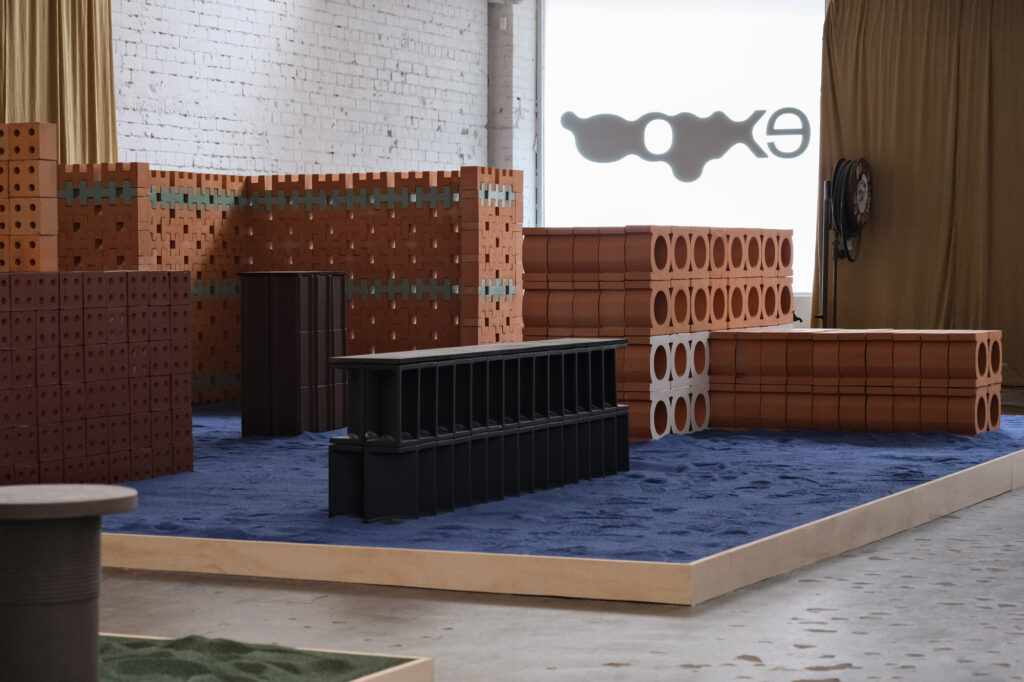
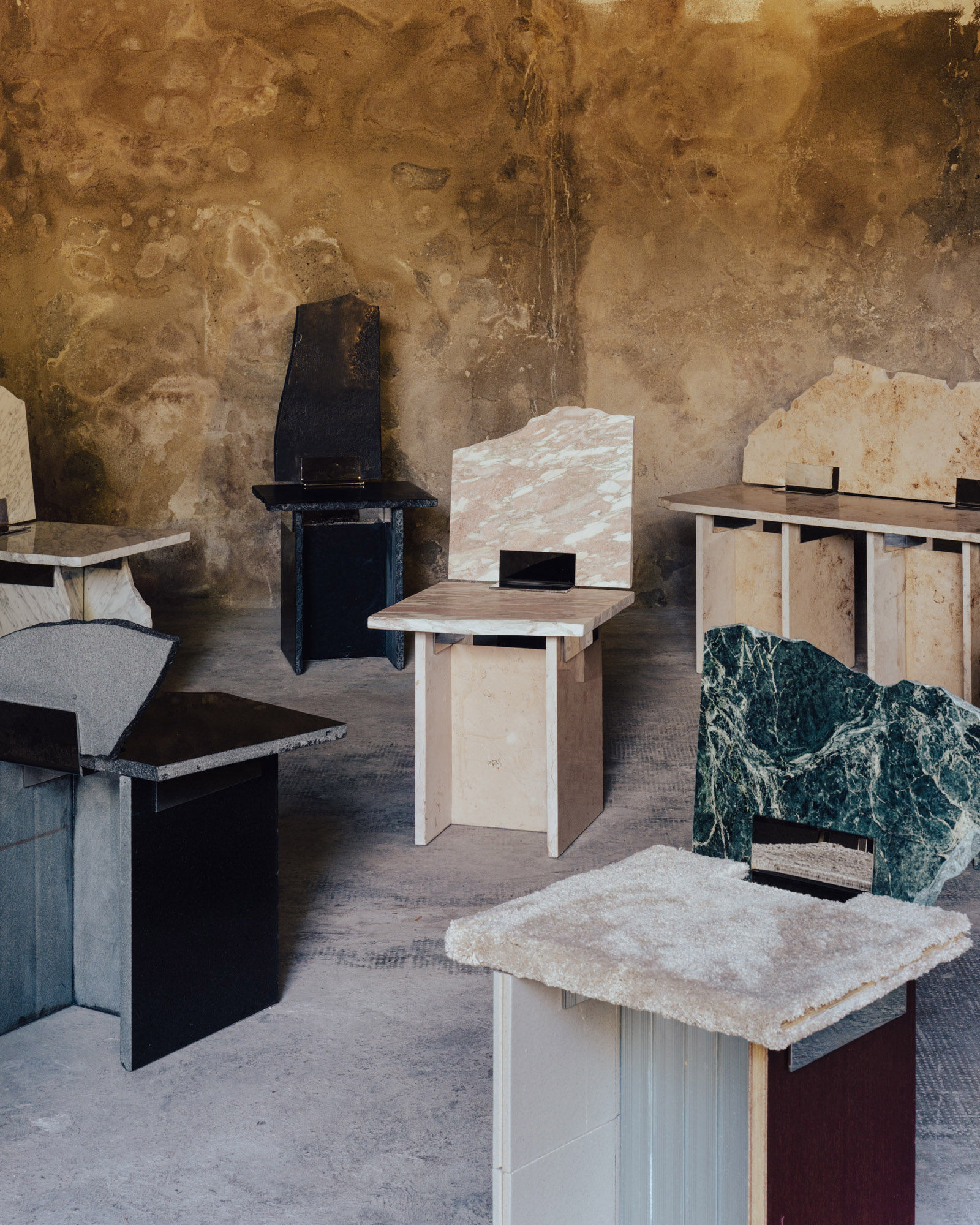
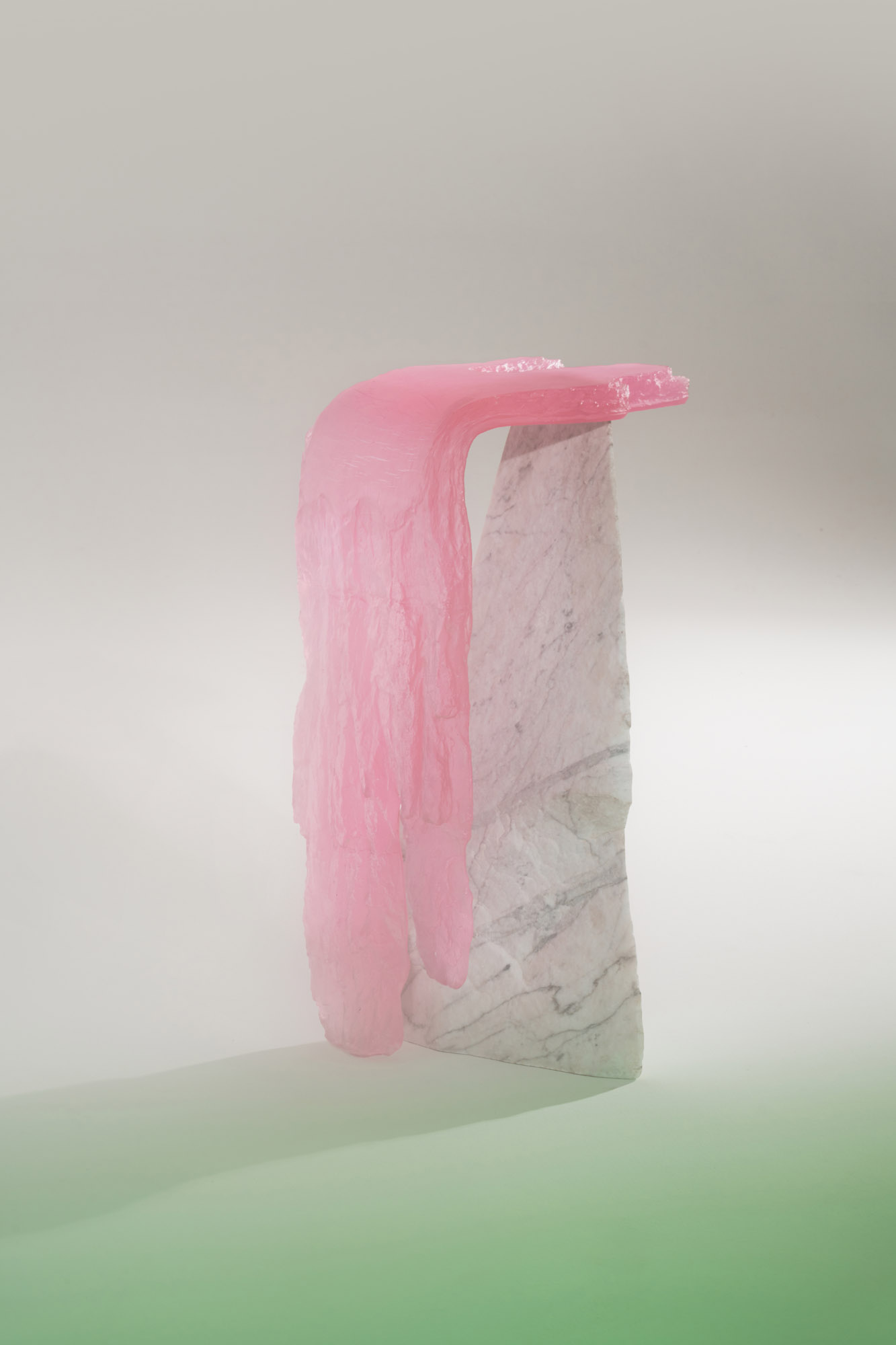
During Milan Design Week, in direct contrast to the luxury brands staging elaborate installations where digital reach felt like the higher purpose, I observed a distinct resurgence of craft – skilled and unskilled, sometimes verging on the ugly, but no less valuable for its experimental or subversive nature. Hand carved timber, beaten metal and visibly assembled components were everywhere. Designers were foregrounding process, embracing irregularity and their own limitations in ways that elevate not just the object, but the narrative behind it.
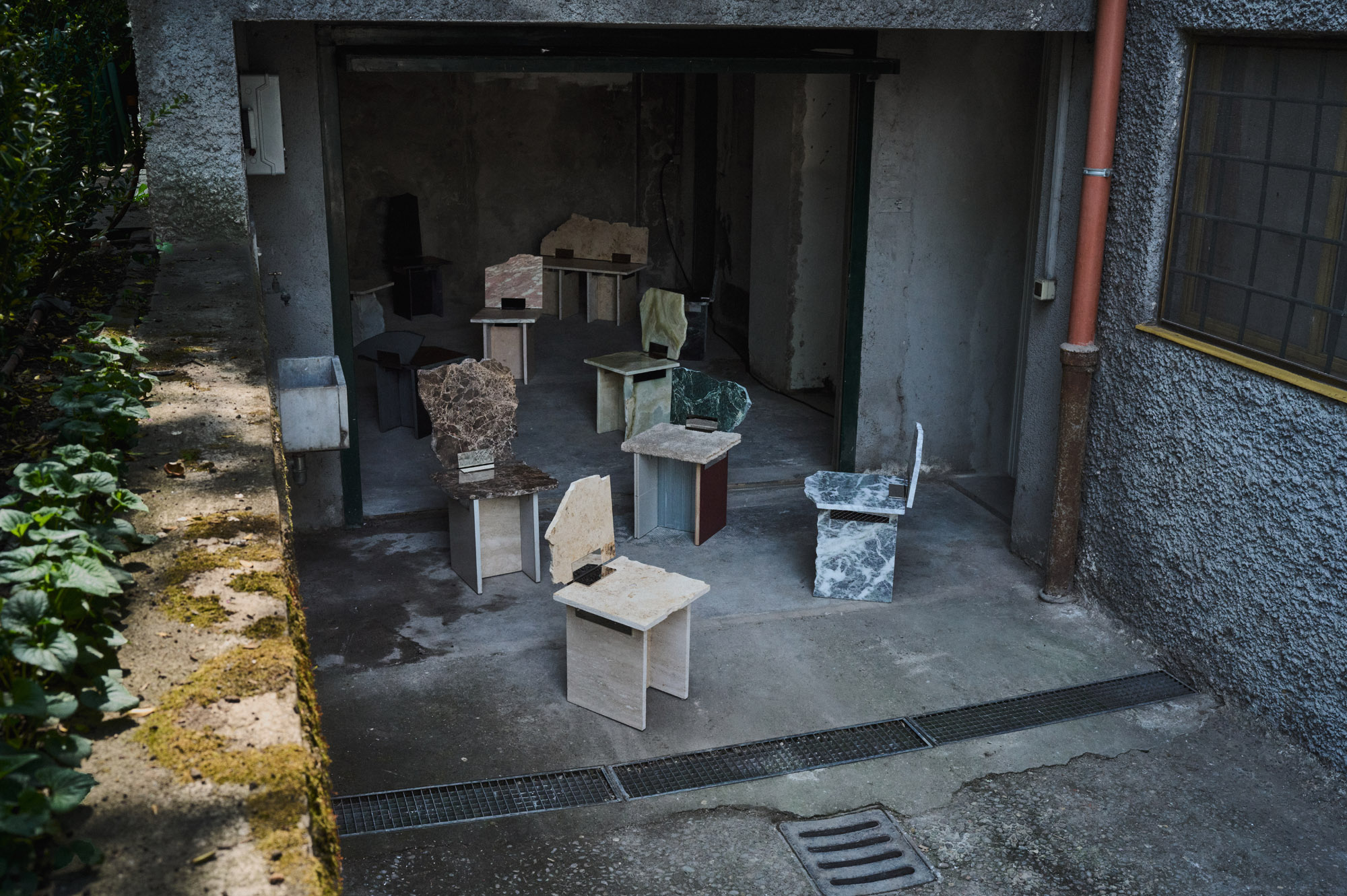
The mark of the human hand is no longer incidental – it has become the point. Designers are returning to the workshop (or, quite obviously in some cases, the garage or backyard), to produce one-off or small-batch pieces that sit somewhere between design and artefact. Increasingly these works are viewed not for specification purposes, but as objects to be collected.
The shift feels like a reaction to the era of algorithmic sameness. When images, references, and design languages are flattened and circulated at speed, distinction becomes harder to locate. Craft becomes an act of resistance to that flattening, introducing friction, time, and qualities that cannot be easily replicated or scaled.
The emergent aesthetic leans into rawness: exposed joins, rough finishes, and a visible negotiation between idea and execution. Yet there is a tension here. While the desire to make is clearly back, technical mastery has not fully caught up. Many practitioners have been trained to think conceptually rather than to spend years refining a physical craft – and sometimes that shows. The result is visible chaos; an ugliness where nothing matters apart from process.
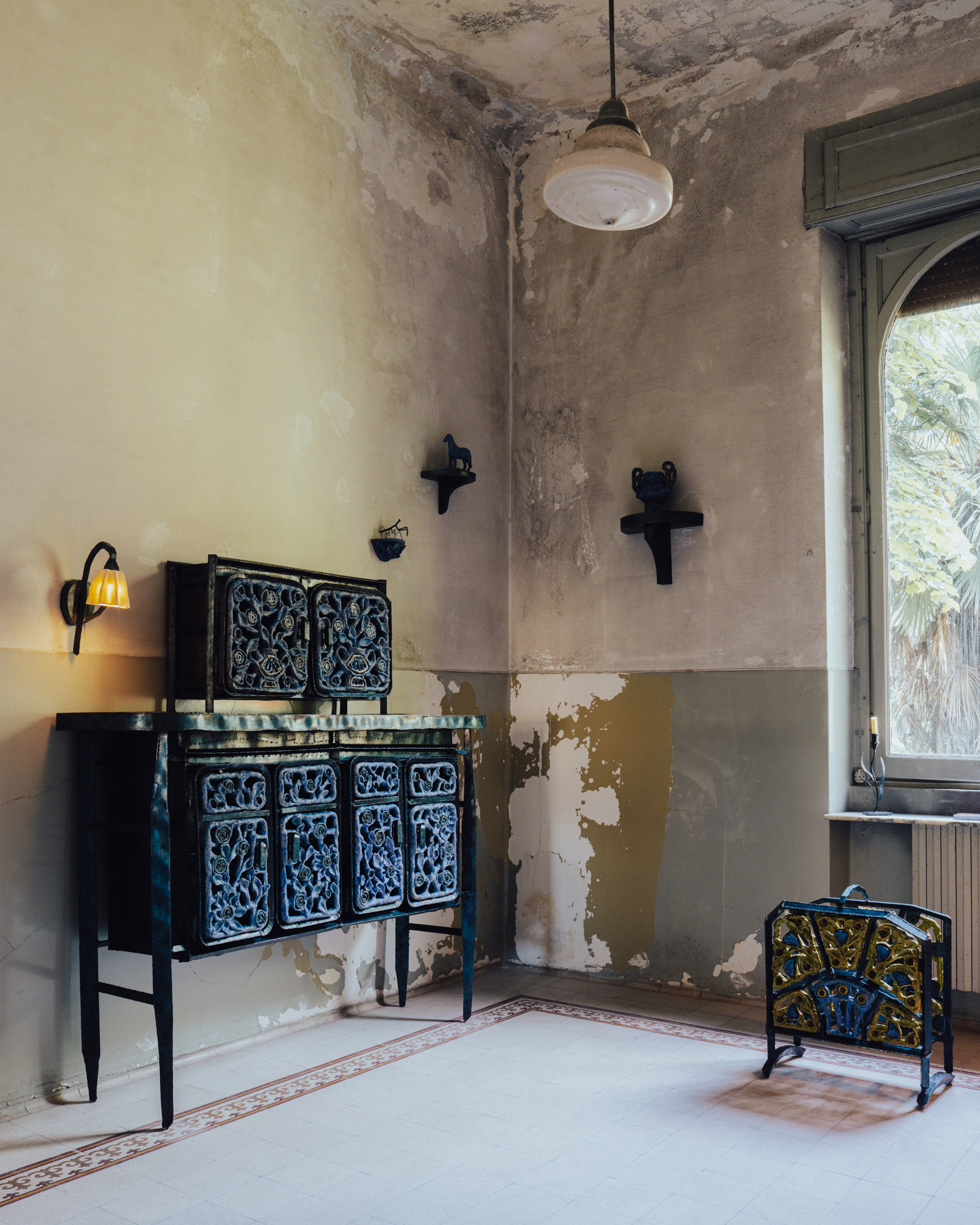
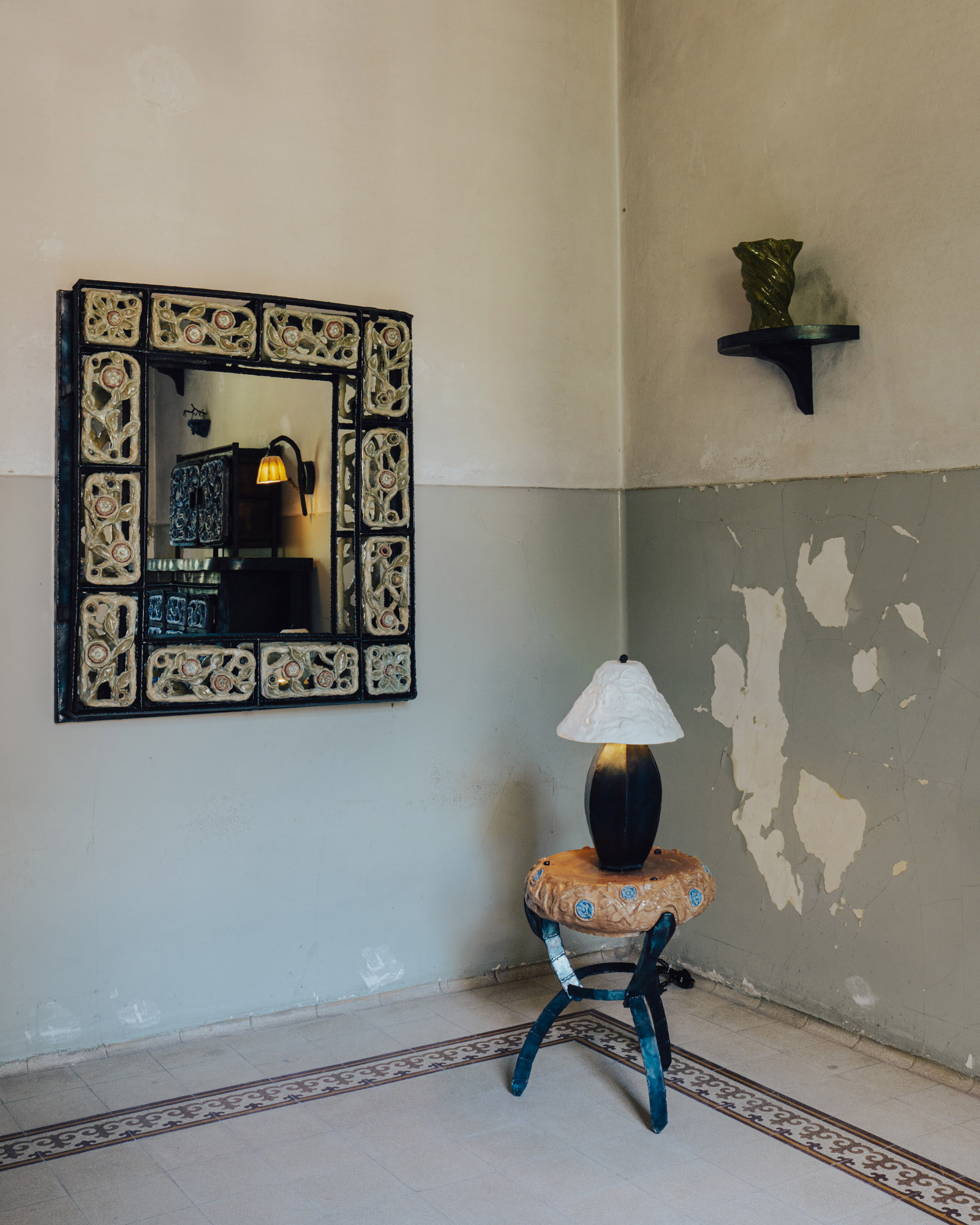
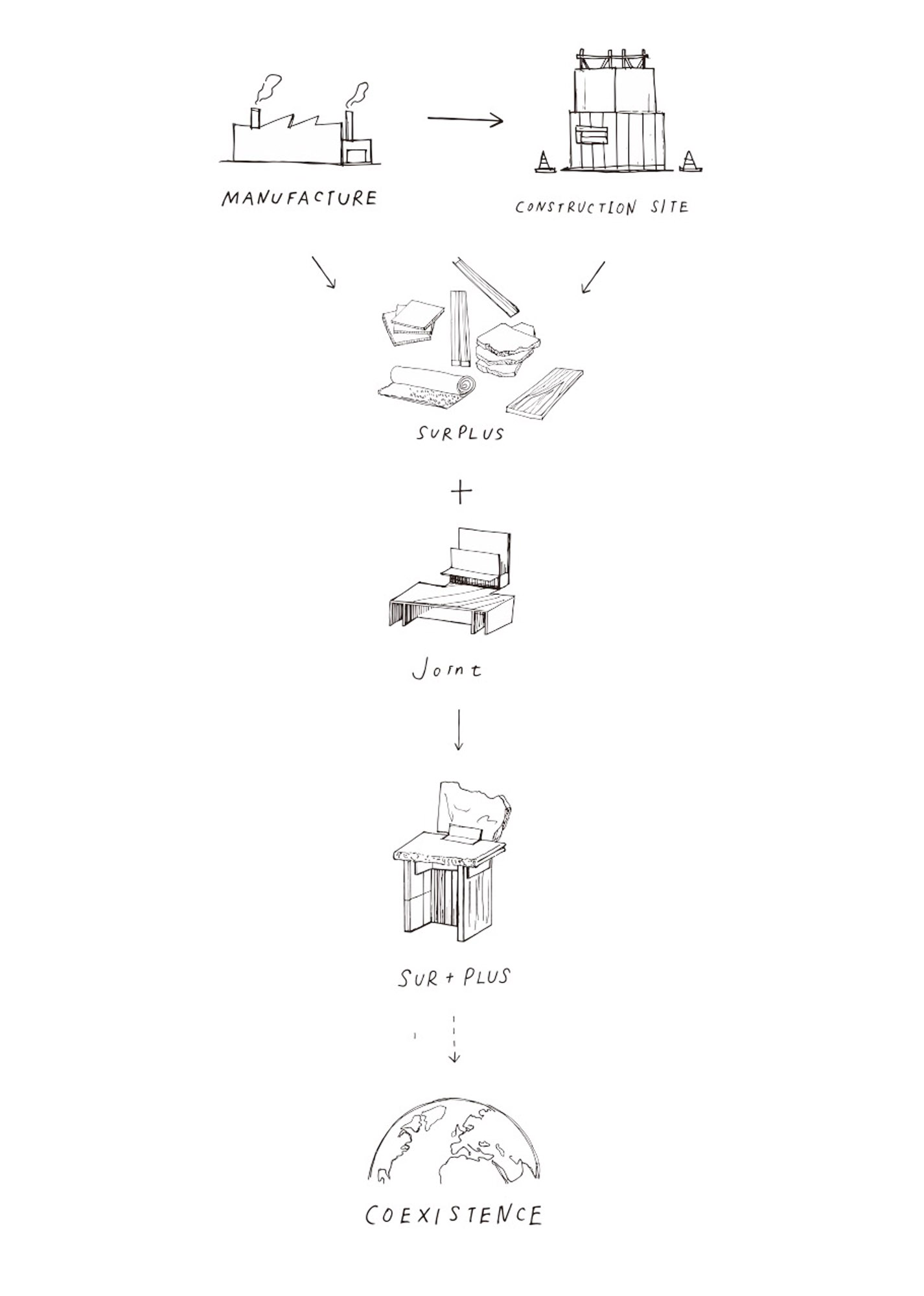
Underpinning this is a broader de-centring of the brand. For much of the late 20th and early 21st century, brands acted as gatekeepers controlling not only production, but visibility, distribution, and legitimacy. To design was, in many ways, to be absorbed into that system. But those days are passing. The scribble on a napkin no longer needs a brand to bring it into the world.
Digital platforms and direct-to-consumer models have disrupted that structure giving designers the visibility to bypass traditional pathways and step away from mass production models.
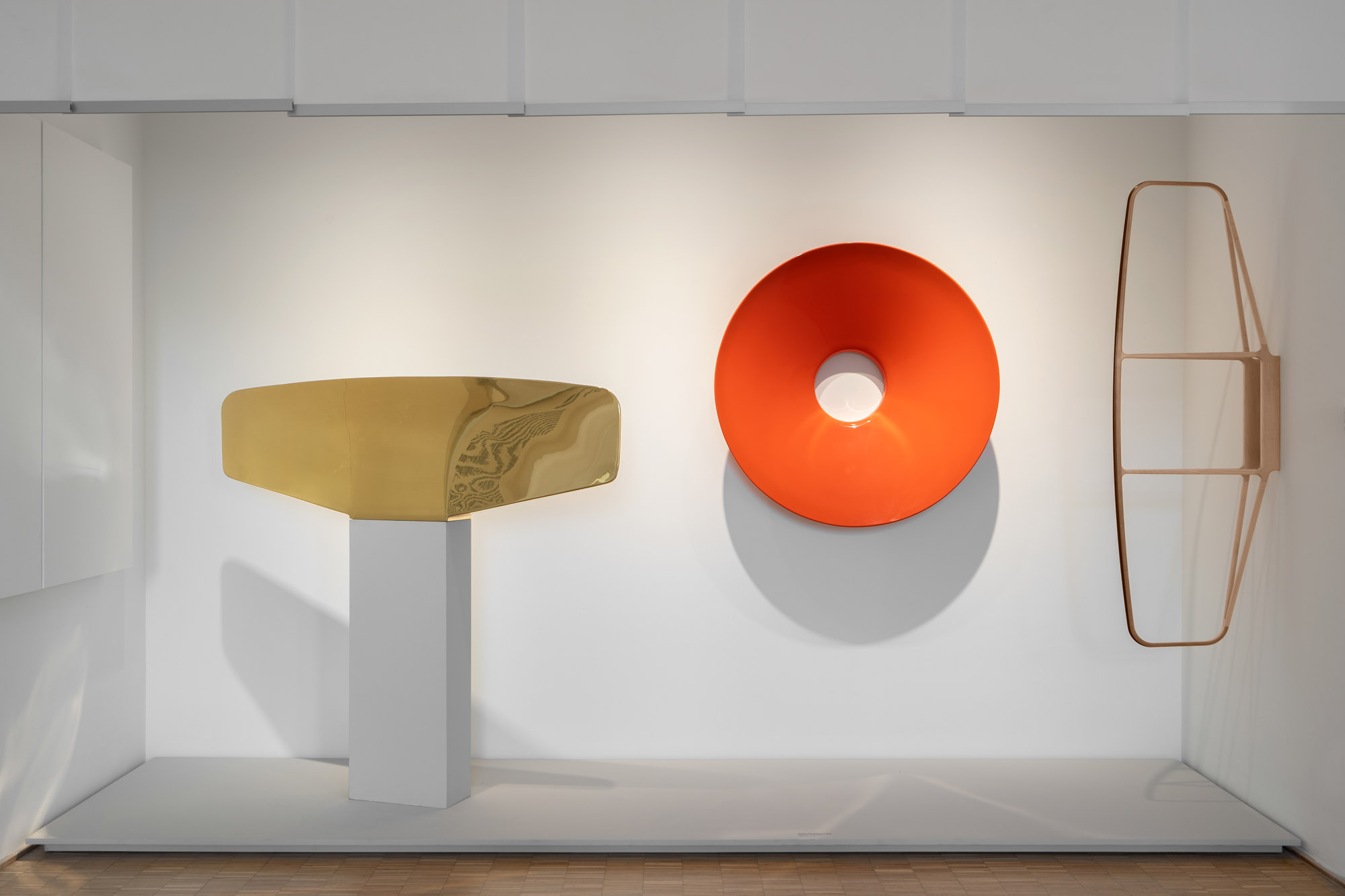
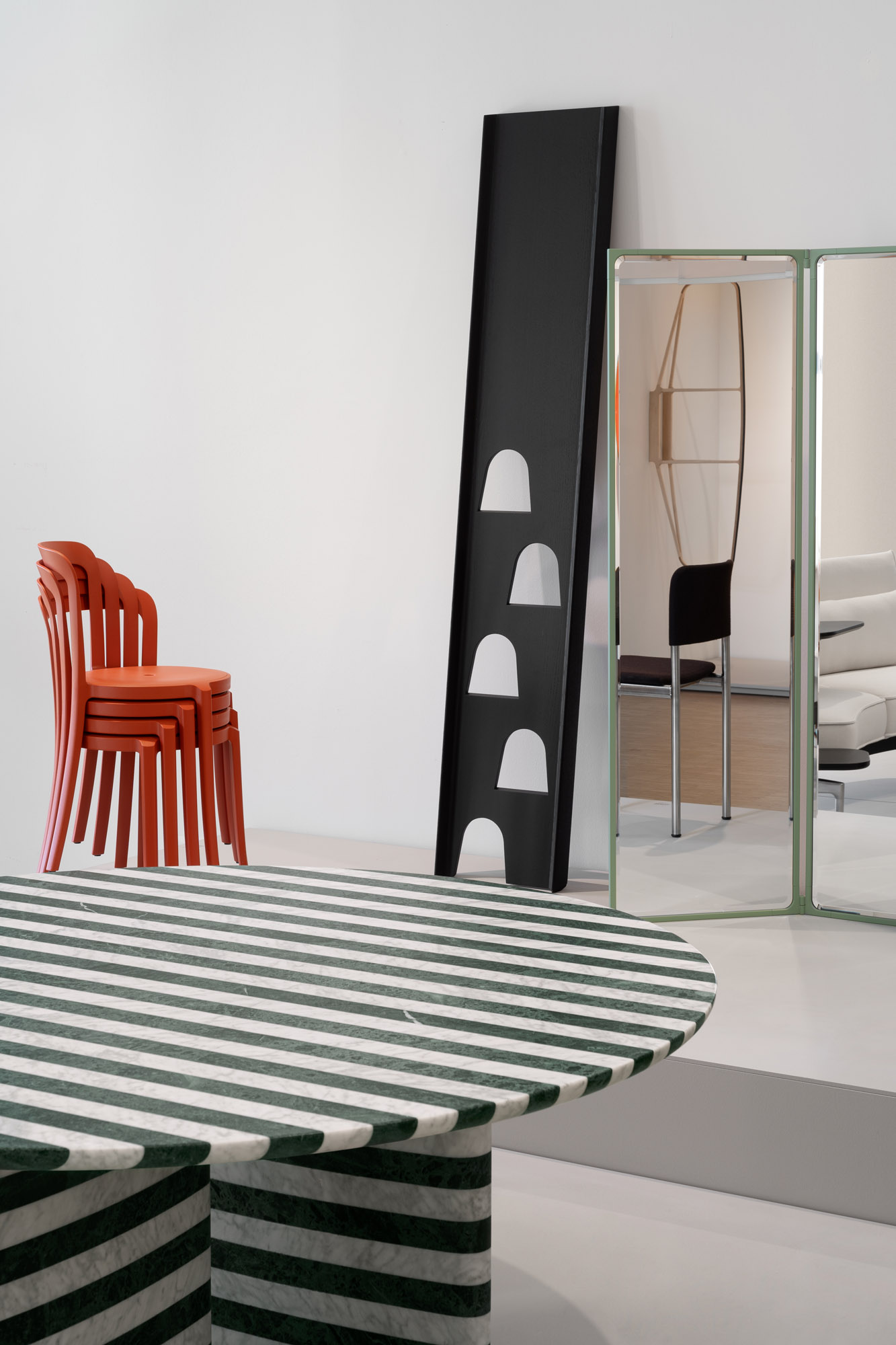
In place of the desk-bound designer emerges a hybrid figure: part thinker, part skilled fabricator, redefining what authorship in design looks like. A designer or studio no longer needs the infrastructure of a major brand to find an audience. In some cases, that association can even dilute the perception of authenticity. As the designer/maker model gains traction, skills become central rather than peripheral.
Value is migrating away from brand and toward the individual. The name attached to a collectible object matters less as a logo and more as an artist’s signature. What is being collected is not just a chair or a table, but a position, a methodology, a way of working.
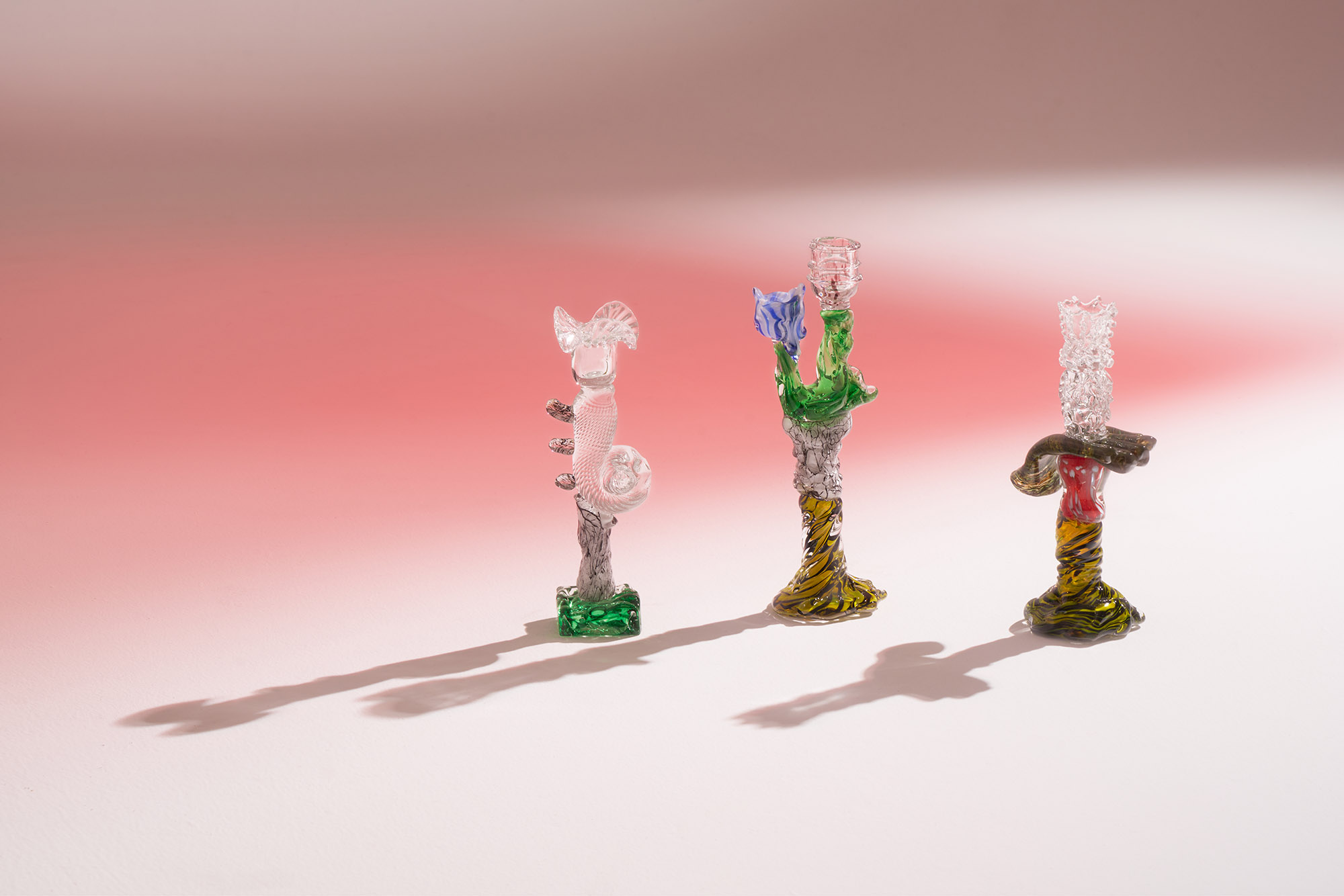
If this trajectory continues the return to craft is not a stylistic phase, but a structural one. It indicates a reorganisation of the design ecosystem in which making, authorship, and distribution are once again closely aligned. Individuality becomes the true marker of taste. Pieces are no longer simply specified; they are sought out, acquired, and lived with as expressions of authorship rather than solutions to a brief.
Bringing us back to McLuhan:“Societies have always been shaped more by the nature of the media by which [people] communicate than by the content of the communication.” The culture of aesthetics has always been determined by the medium of communication, and will continue to be. As the digital tide recalibrates the relationship between designer and brand, an opportunity opens. Brands can choose to become patrons of the new practitioner, and find that genuine collaboration, with equal input from both sides will produce something that neither could achieve alone.