Words by Alice Blackwood
Photography by Joanne Ly
Creating tiles is an elemental act of creation. A rare, time-honoured tradition in which earth, fire and water unite to produce a robust, functional, serviceable architectural product. But what of the artistic beauty of tiles? The process of producing tiles is rich in artistic authorship – inviting imaginative innovation, traditional art-making practices, experimentation and accidental discovery.
Artedomus works with some of the world’s most skilled tile manufacturers – a journey of research and revelation that has taken the team from Japan to Italy and back to Australia. Artedomus’ Japanese partners, considered to be both artisans and masters of tile manufacture, are known for their incredible craftsmanship and high-quality fabrication processes which employ traditional and innovative techniques that have been developed over many decades.
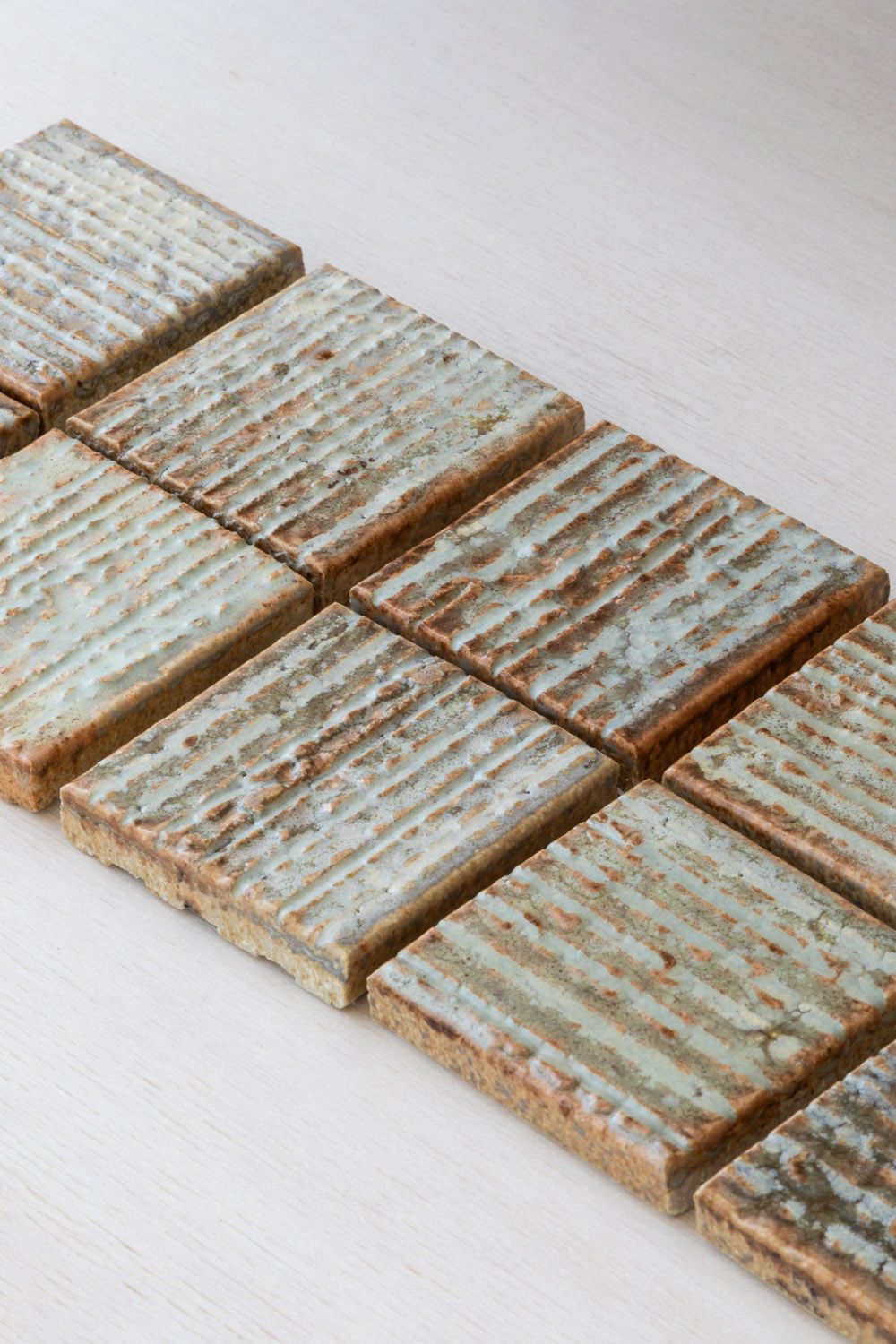
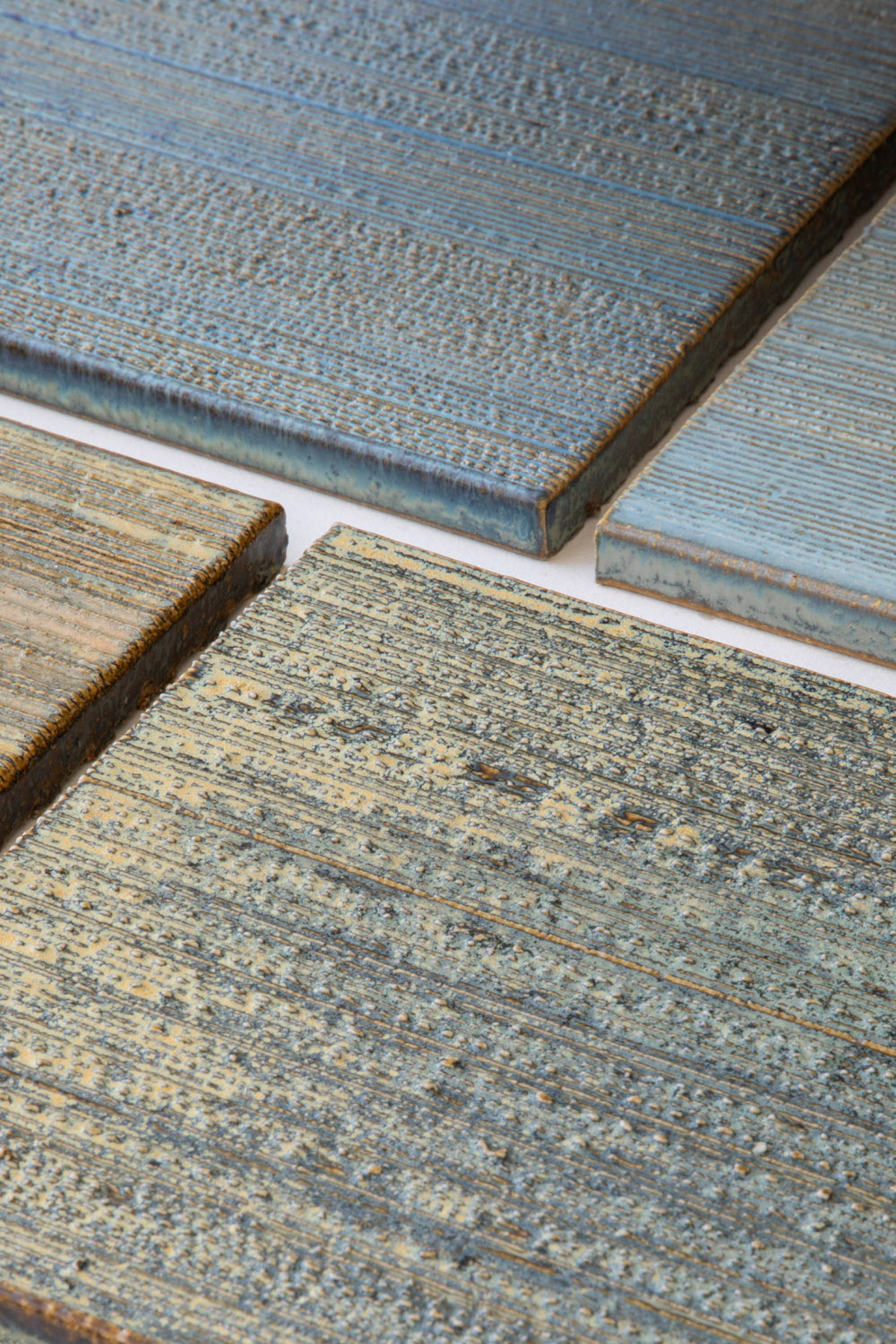
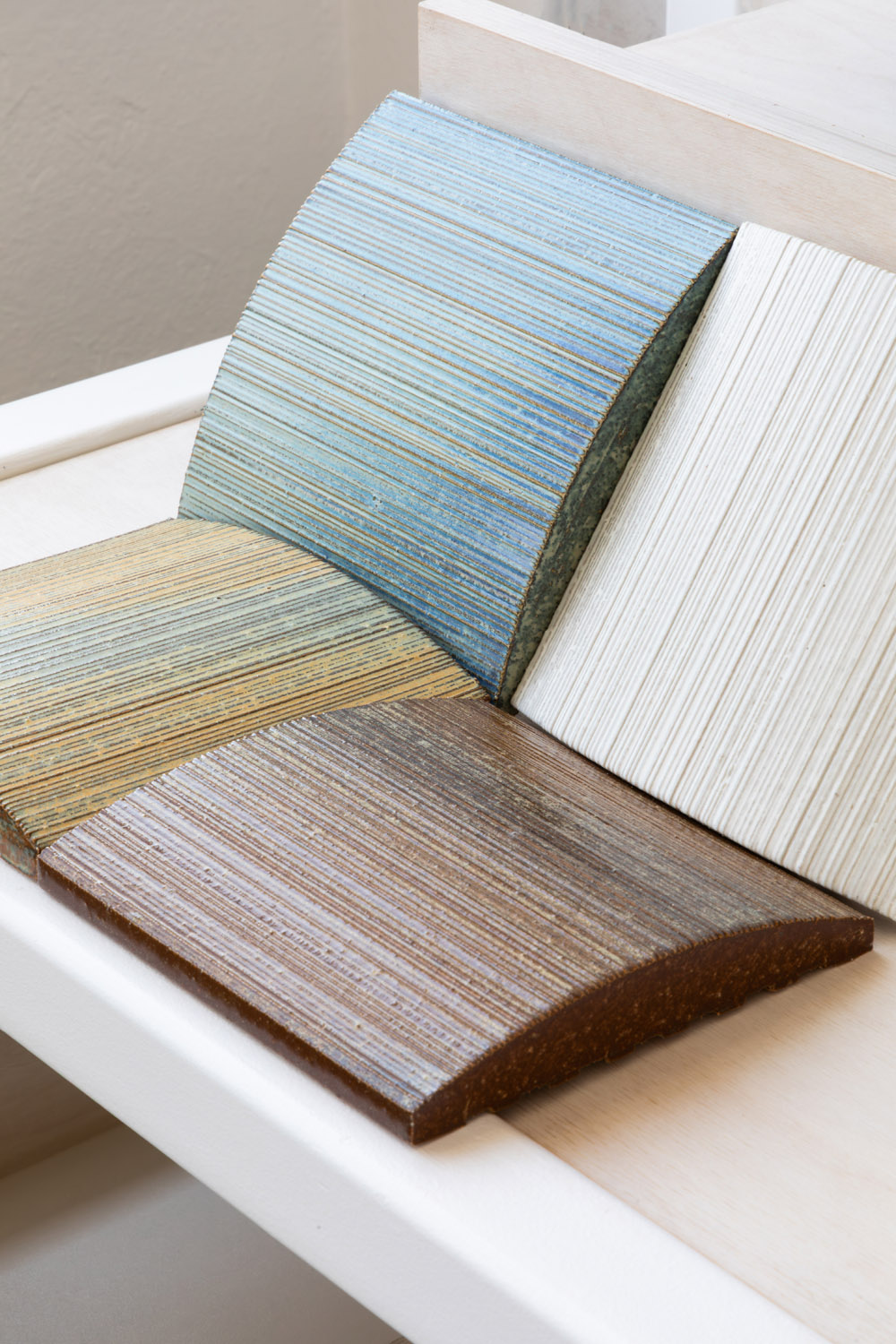
In Japan, INAX has been producing tiles for more than a century. Their process begins with the careful sourcing of clay from local hillsides, and glazes meticulously extracted from nearby mineral deposits. As a result, INAX’s tiles carry an inherent authenticity and connection back to the country’s natural landscape.
The transformative heart of INAX tile production lies in its precise firing technique. Tiles, fragile until subjected to intense heat, embark on a journey through INAX’s tunnel kilns – some stretching a hundred metres long – where they move along tracks to reach their fiery zenith at the centre of the kiln. Firing typically takes up to two-and-a-half days and is essential to producing tiles of strength and distinctive aesthetic character.
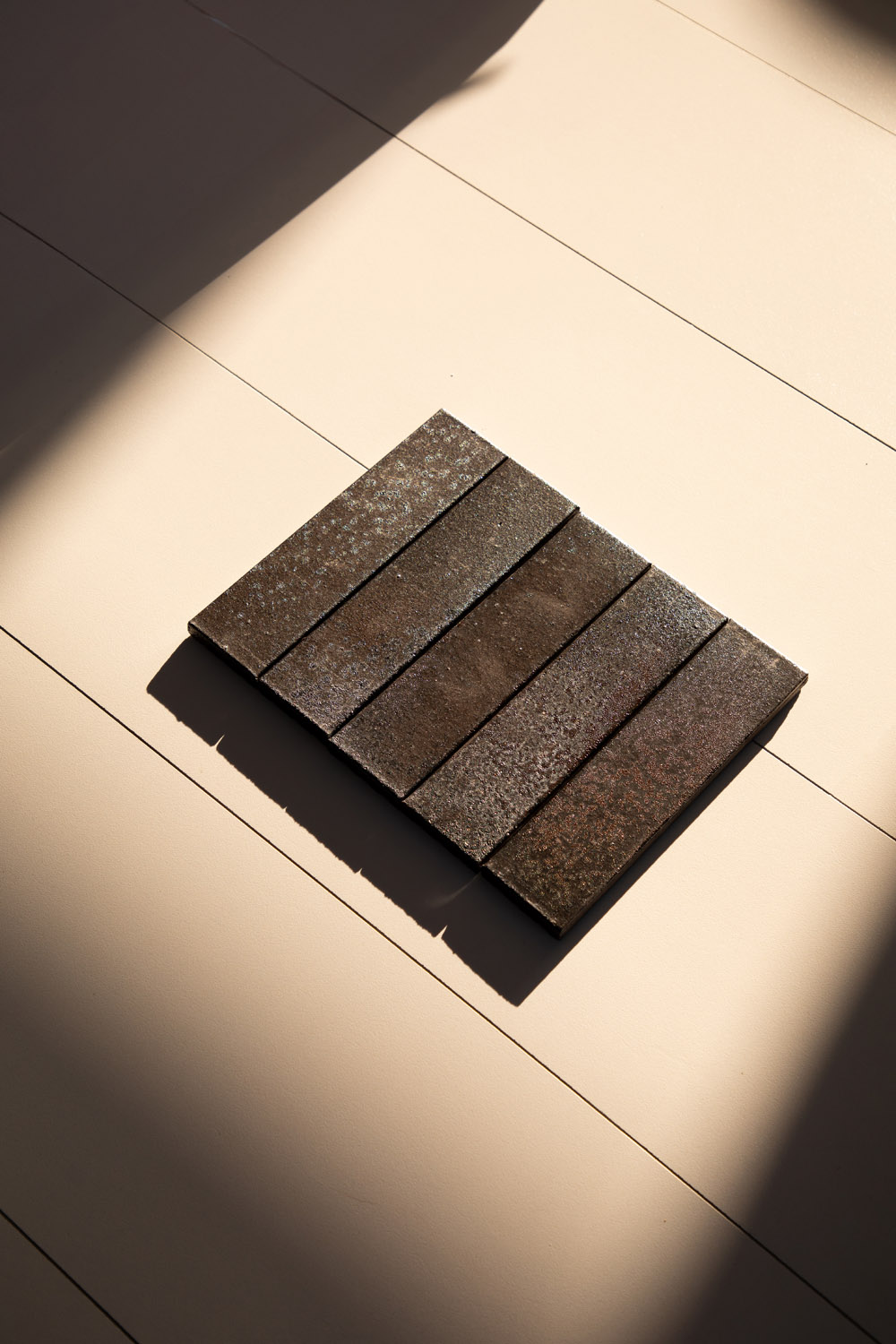
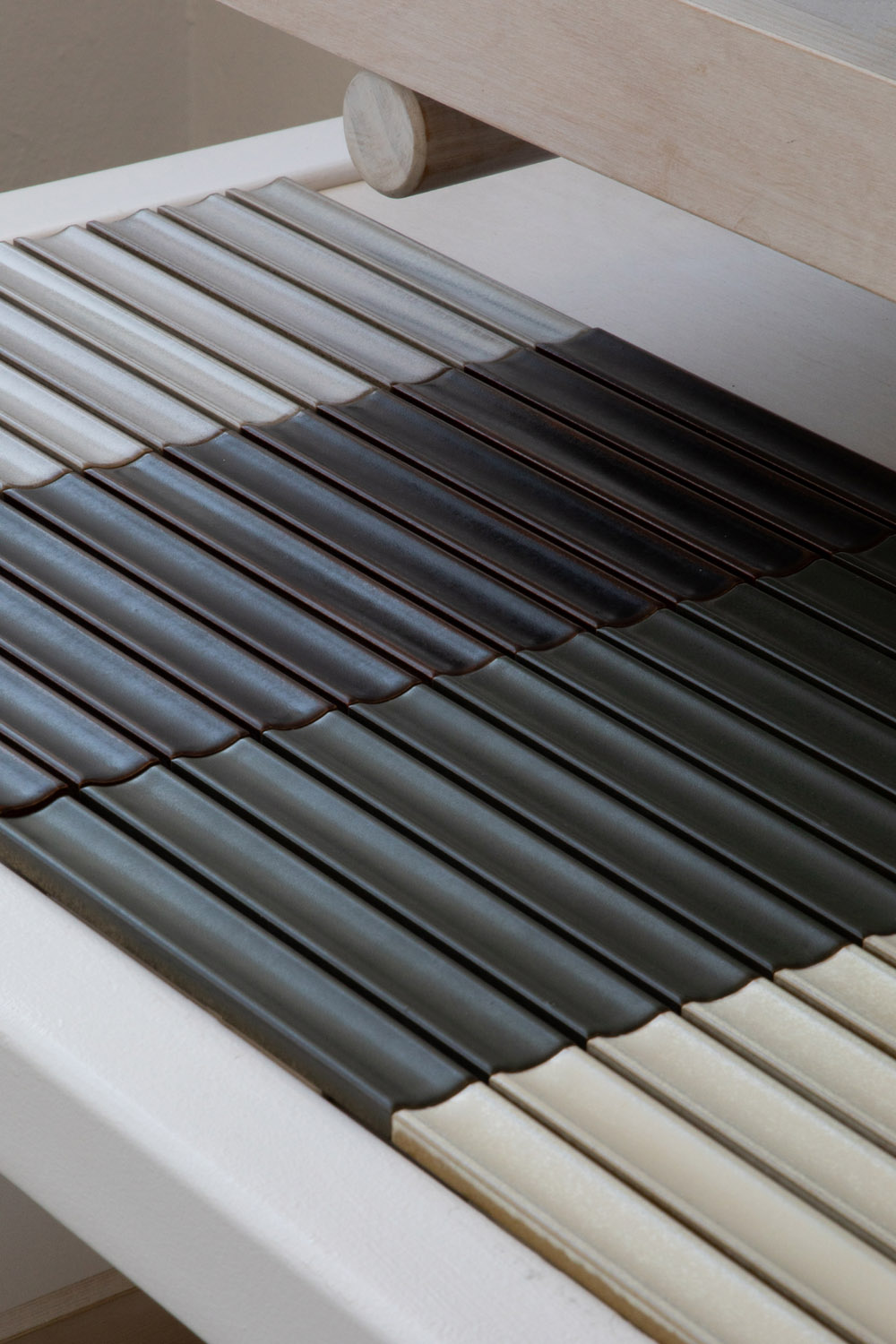
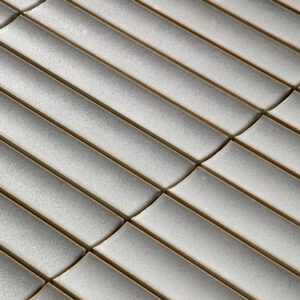
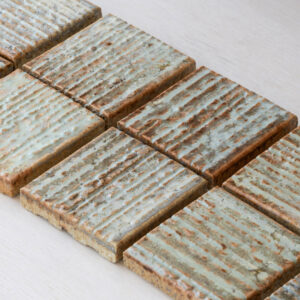
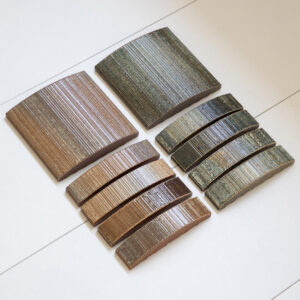
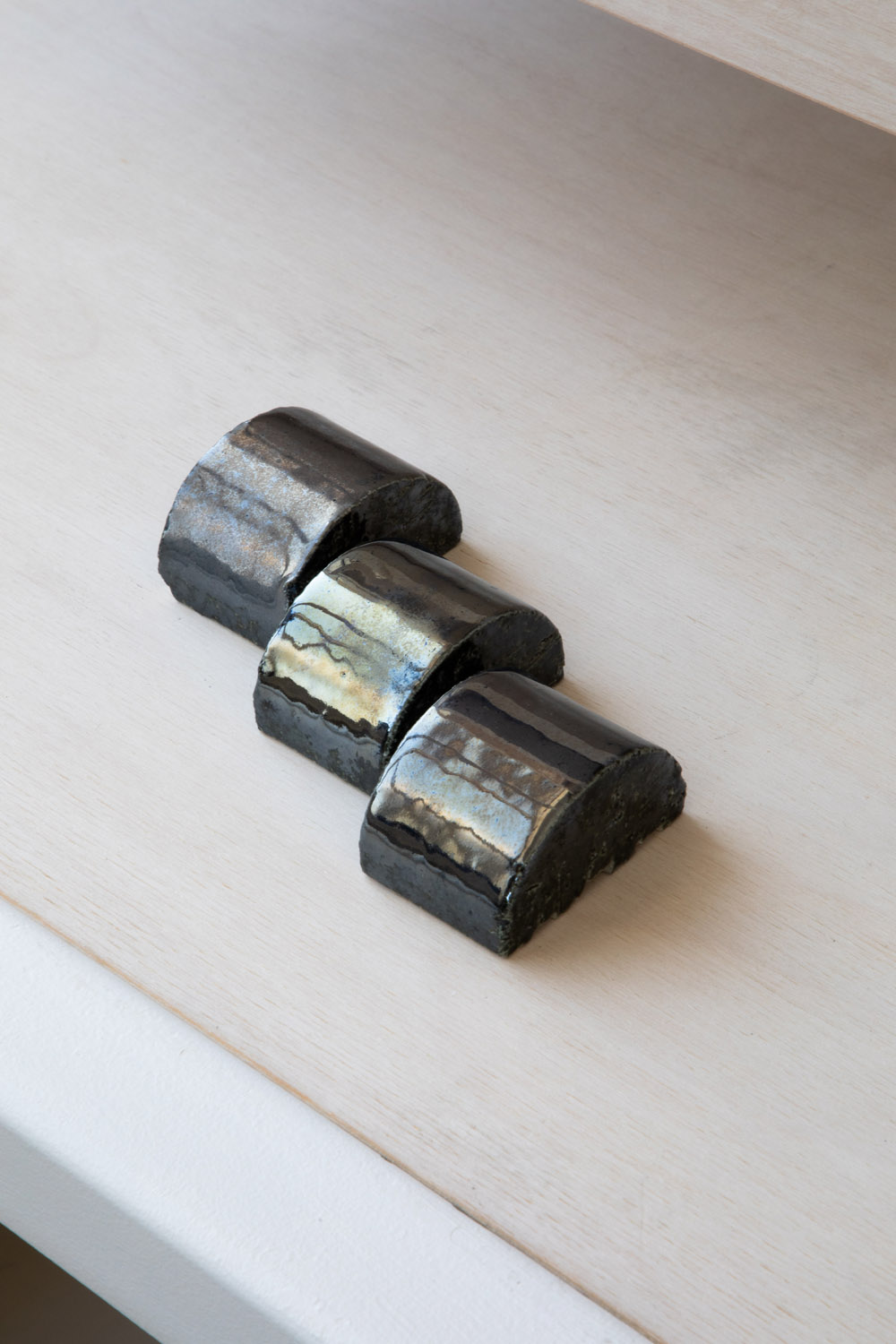
As with all natural materials and artisan-led processes, there is a blending of beauty and imperfection in the final result – and it is this unusual, almost accidental beauty that is most irresistible. “Tiles and ceramics aren’t meant to be perfect, that’s in the beauty of the product, that variation,” says Yas Bahar, Artedomus’ Victoria state manager. She references the INAX Yugen Border range, with its mirage-like glaze. The allure of this product lies in the skillful melding of the glaze with the distinctive texture of pottery crafted through wet moulding. The methods used to create these glazes are often very traditional, drawn from time-honoured ceramic art techniques and translated into ceramic tiles.
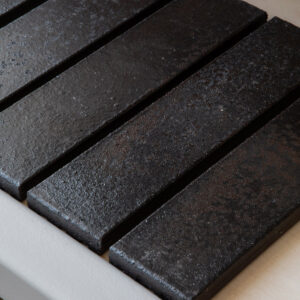
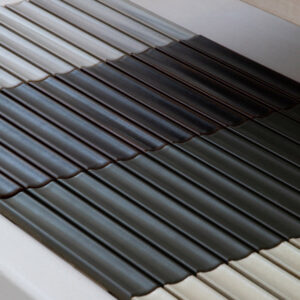
Through brands such as Arute, Artedomus is also able to respond nimbly to new design concepts and rapidly developing stylistic directions. Working closely with select Japanese tiles manufacturers to introduce new shapes, sizes, textures and colours, Artedomus has sourced popular ranges such as Arute Taiko and Arute Yuga, and designed Arute Yosumi for the Australian market.
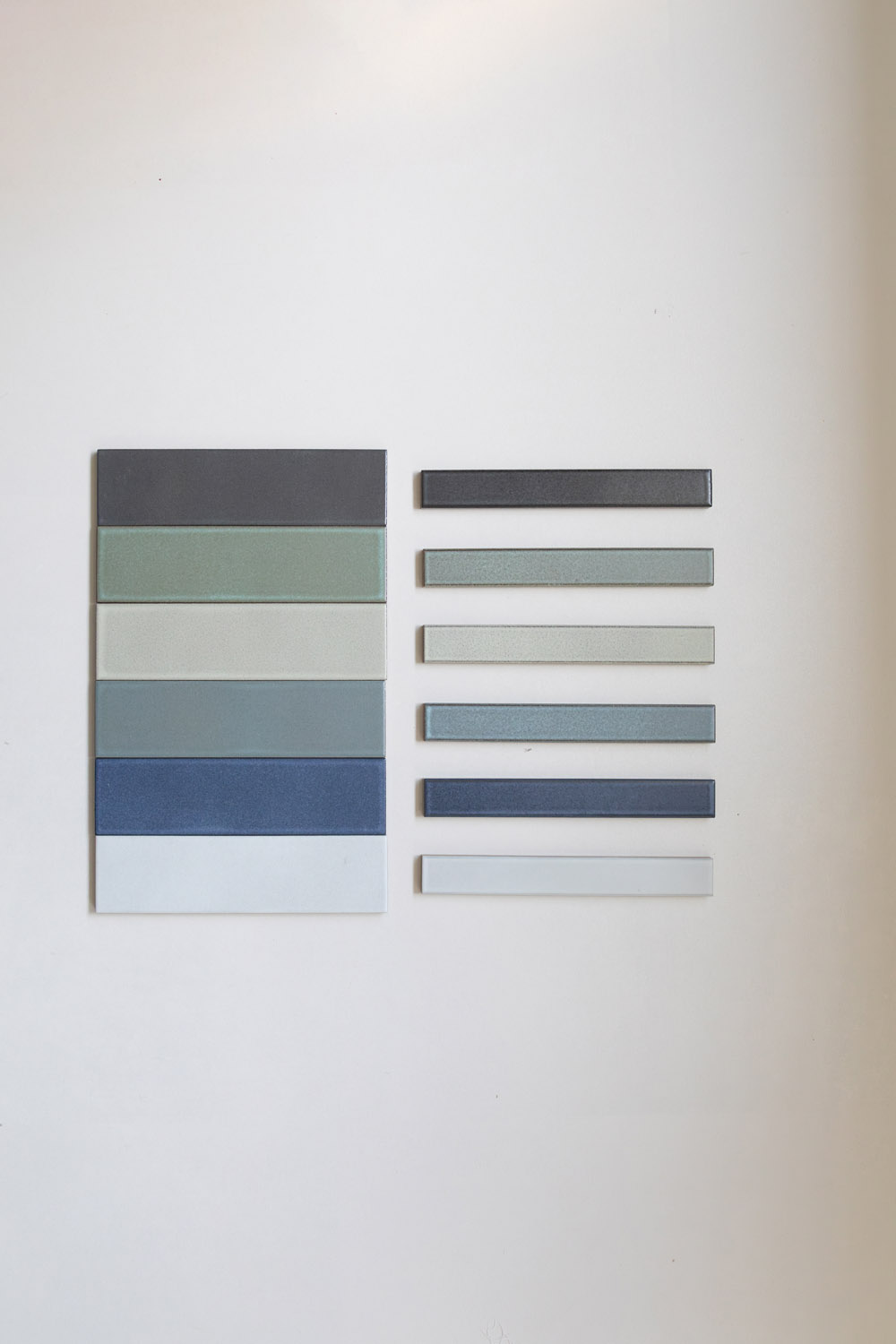
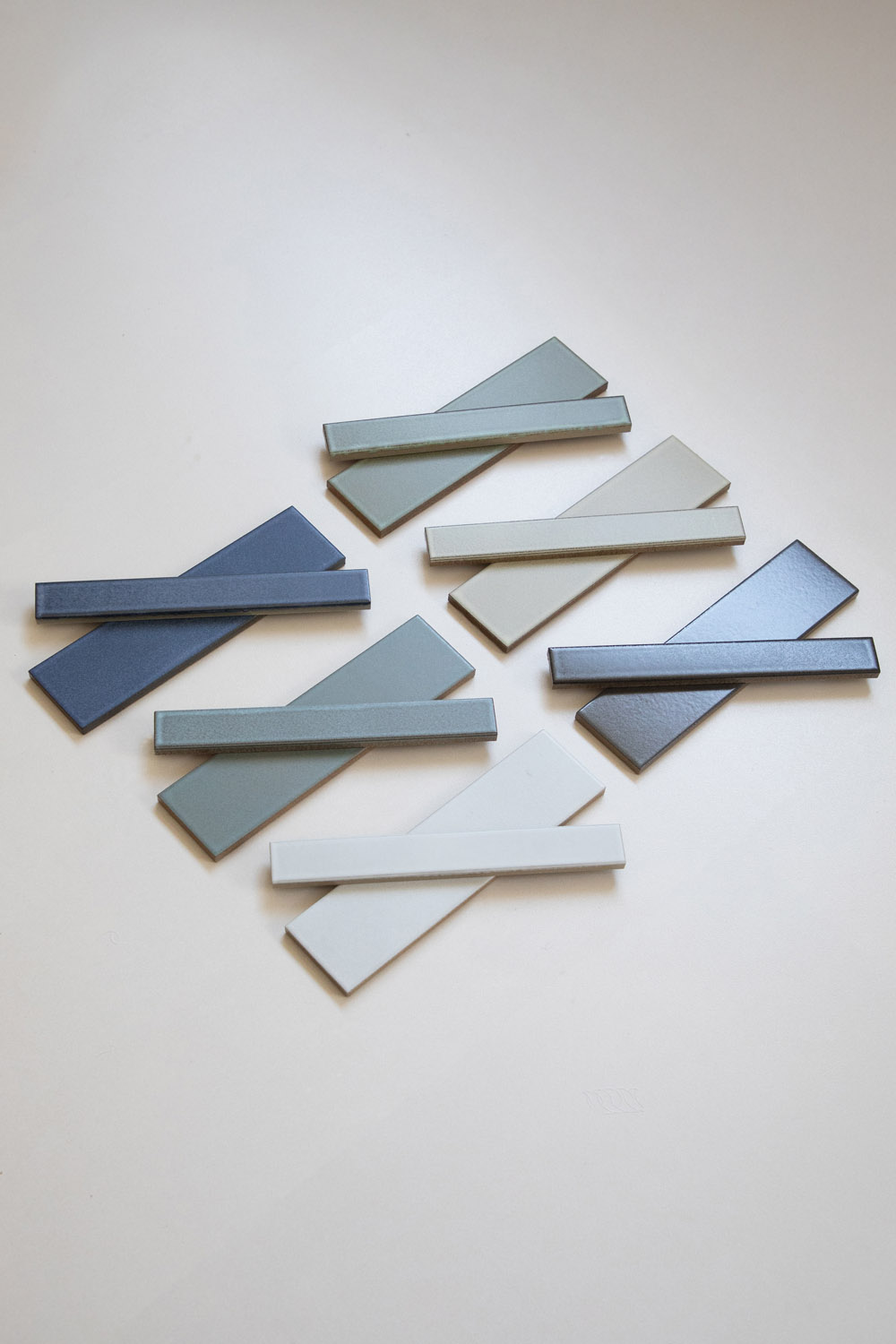
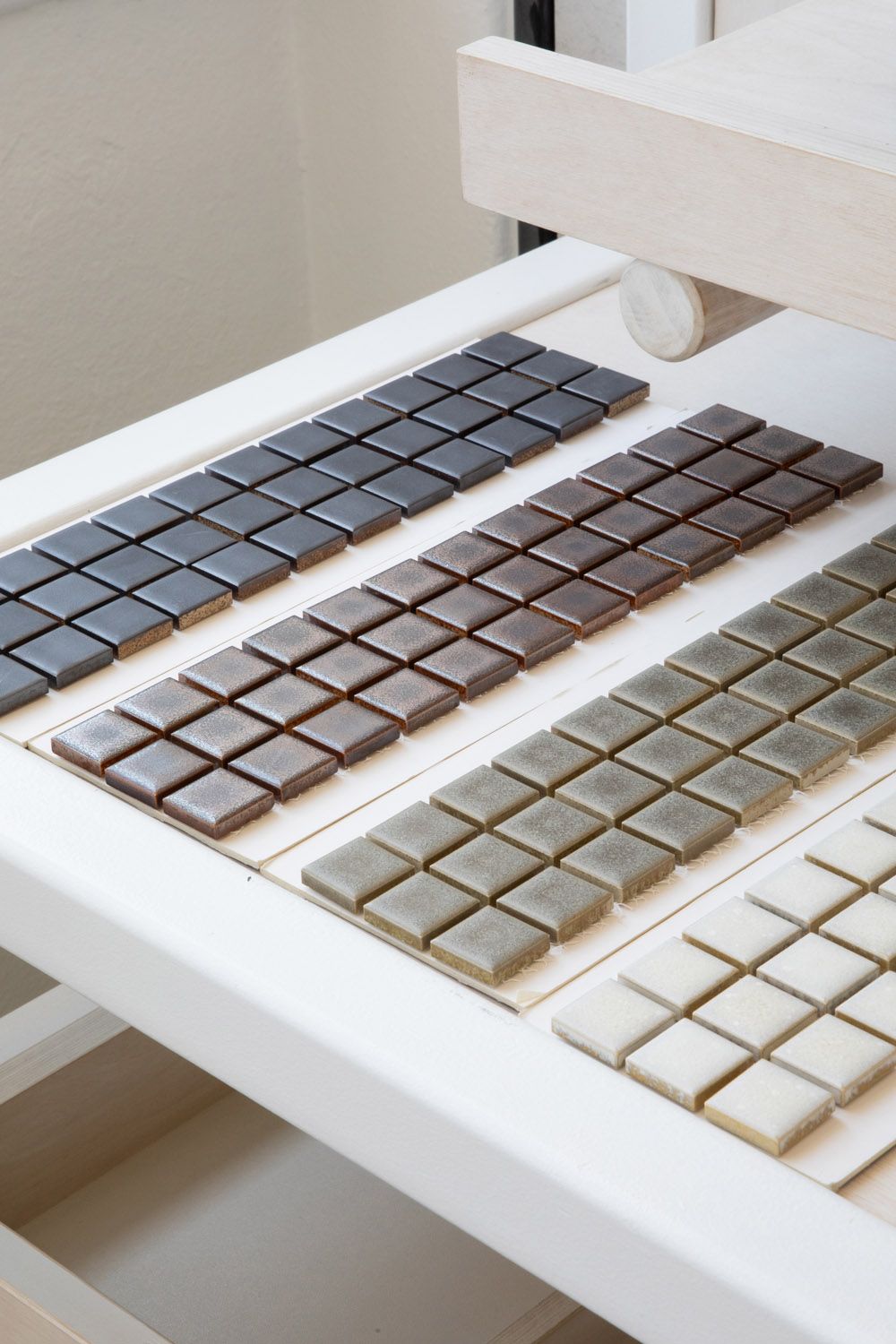
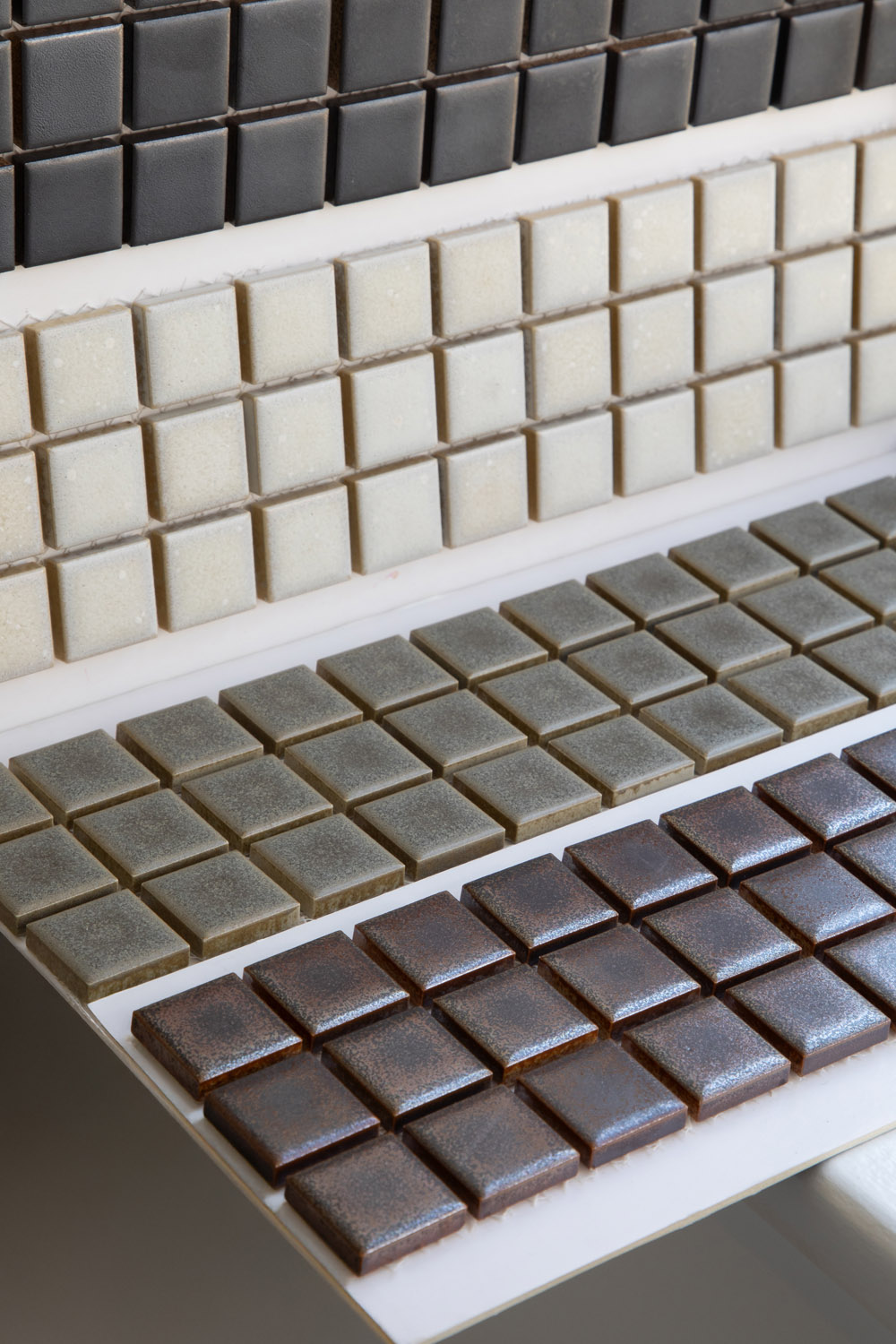
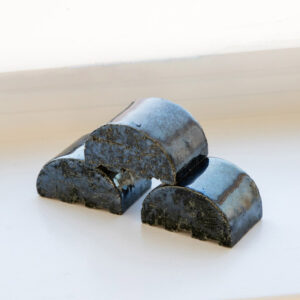
Every step of the Arute tile-making process is guided by hand. Clay is prepared and shaped using time-honoured Tatara and Mizugote methods, then soft, kneaded clay is wet extruded through approximately 450 moulds to form special tiles. From traditional Oribe glazes to modern metallic finishes, the techniques extend the expressive potential of ceramics in ways few manufacturers can achieve.
In Italy Artedomus has partnered with the tile aficionados, Decoratori Bassanesi, who describe themselves as a 37-year-old start-up with a deeply artistic soul. The brand, through its many high-profile design collaborations is pushing design creativity and ceramic artistry into new realms. Research and attention to detail are the fundamental values of the company and this touches many aspects of its production – from material choice to progressive technique development. It results in a layered approach that draws on original designs and skilled craftsmanship to remould and reimagine material and form.
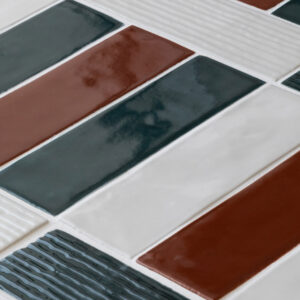
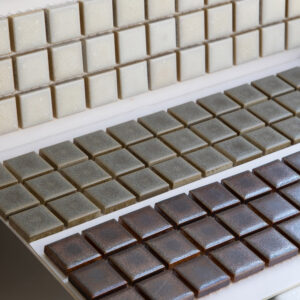
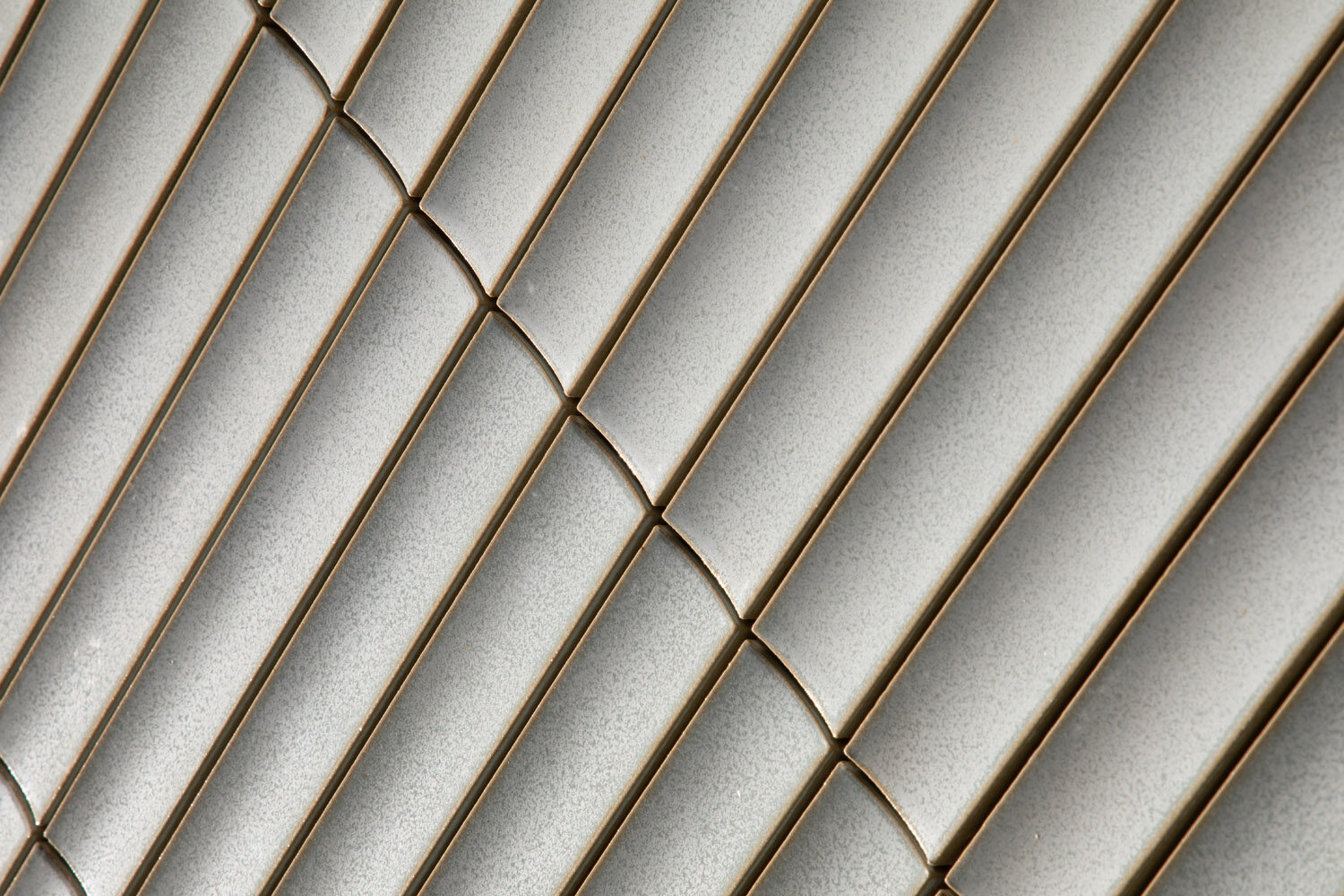
Among the brand’s newest offerings is the Kimono range by Federica Biasi. Federica is a Milanese product and industrial designer, and also art director for Decoratori Bassanesi. Her distinctive design style – one of formal simplicity with a clean aesthetic approach – shines through in Kimono. The collection is inspired by the composition of the traditional Japanese kimono with its complex layerings of patterns and colourways, reigned in through the geometric harmonies of fabric folds. Federica describes the process of designing tiles as a world made of textures, materials and colours, which is, above all, technical and industrial.
With Decoratori Bassanesi, every product designed reveals a new, unexplored frontier. For Kimono, Federica has looked back into the brand’s archives to draw together past references – in this case a historical product with a distinctive textural shine achieved through a layering of glazes.
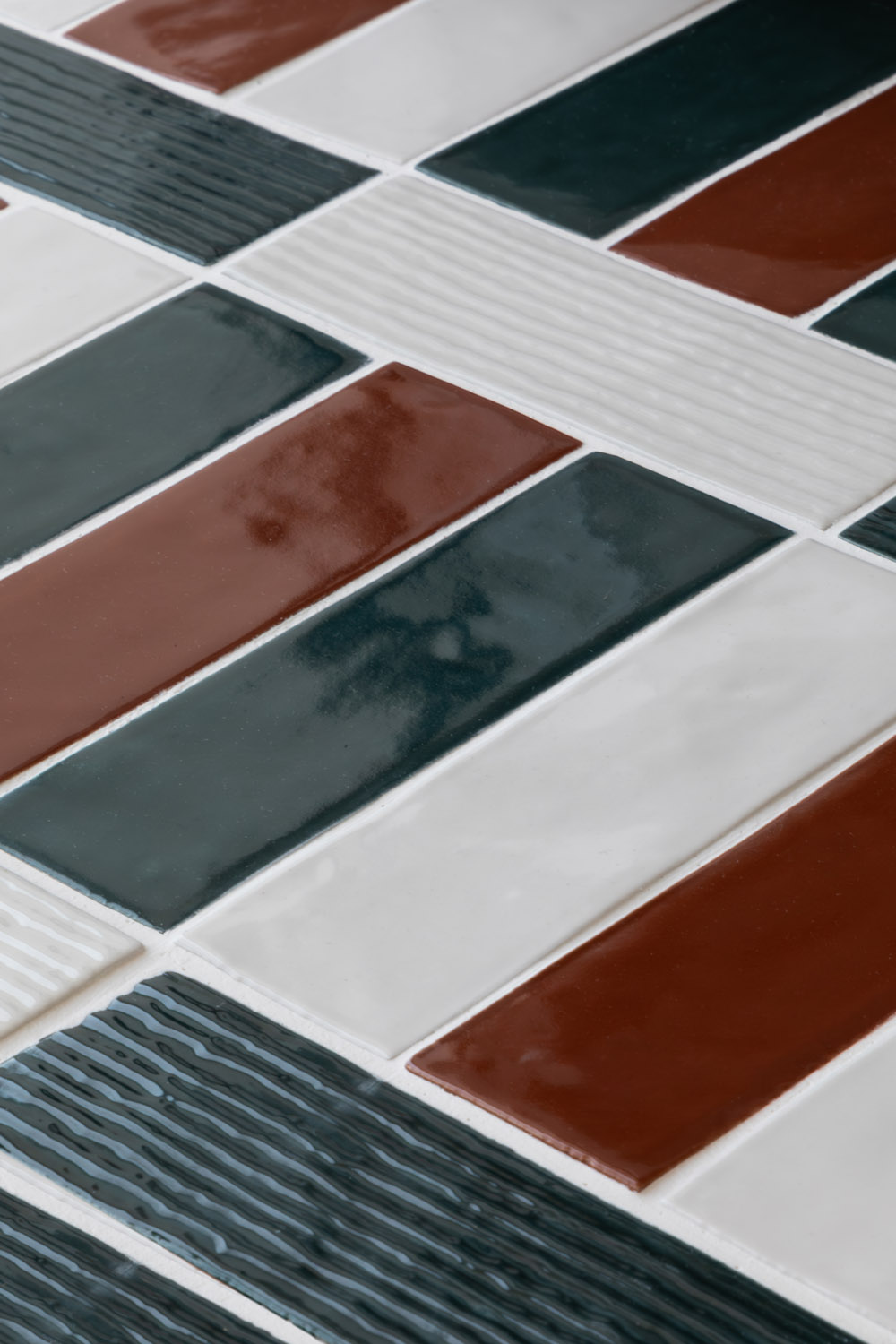
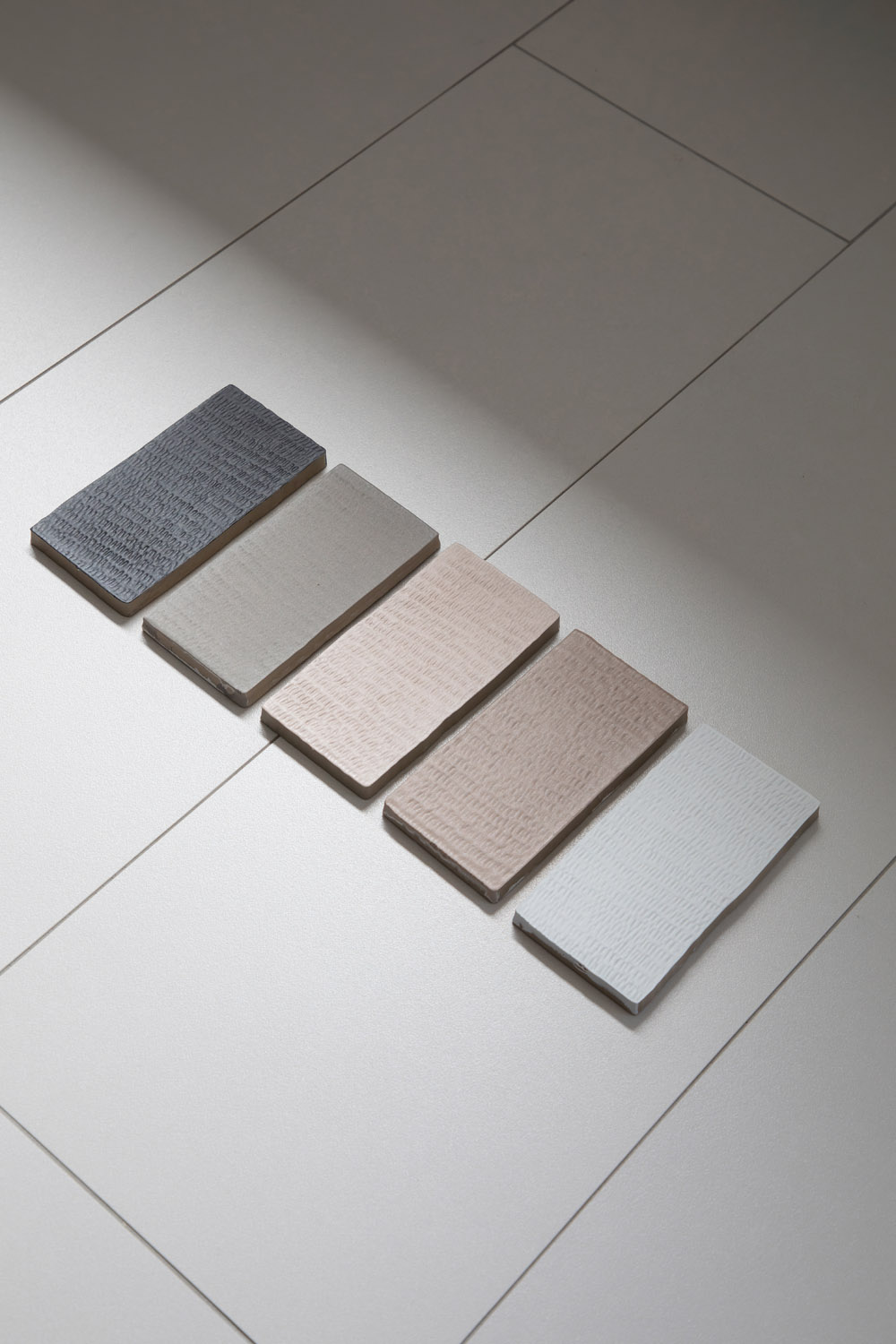
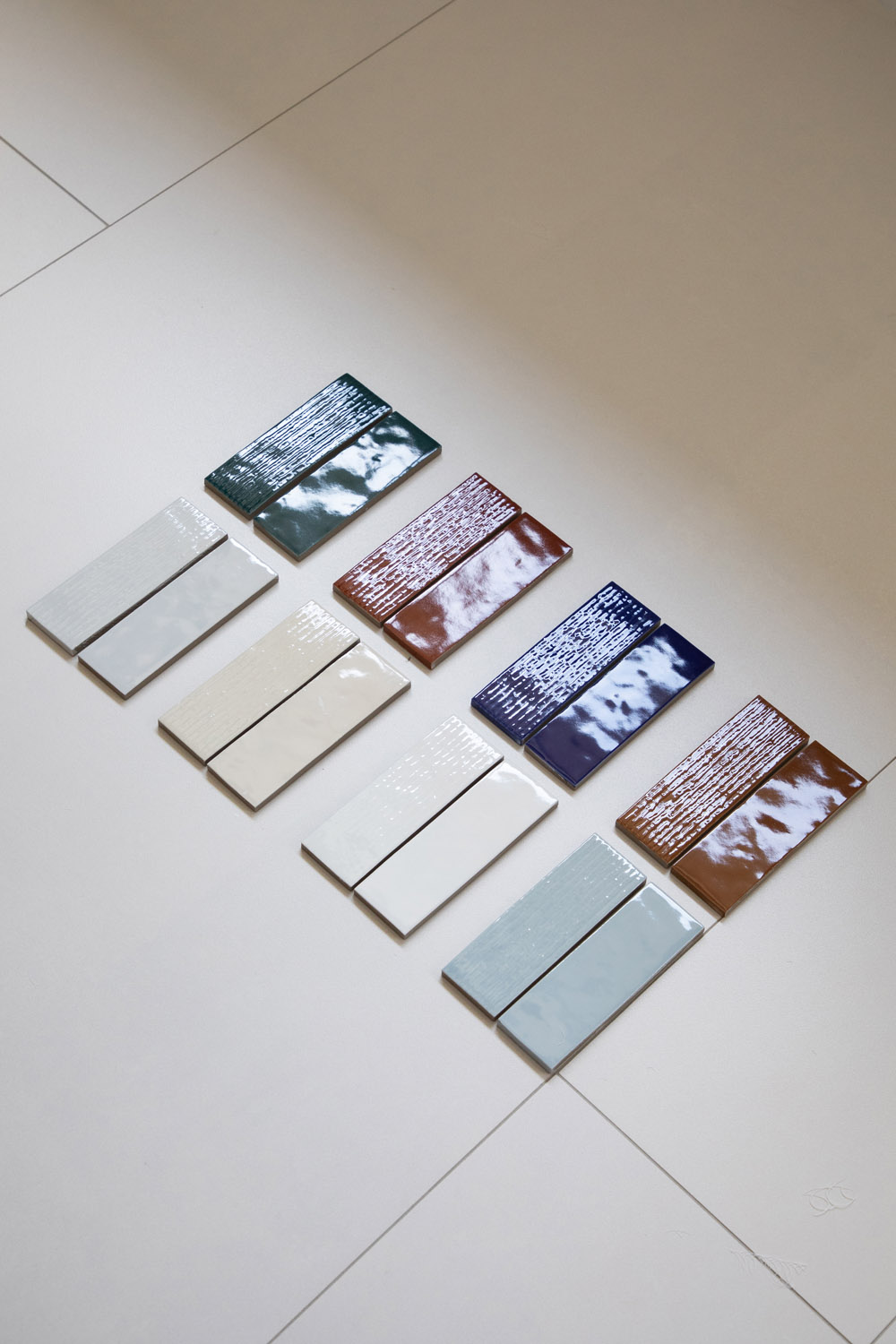
Combining this with her modern design vision, Kimono embodies a blending of tradition and cultures with a set of inventively juxtaposing colourways, arrived at through extensive research.
As Artedomus managing director, Phil Brenton, reflects, each Artedomus tile tells its own story. “The story is in the design, in the manufacturing process, and in the materiality, too.” One need only scratch the surface to discover the accidental beauty within.